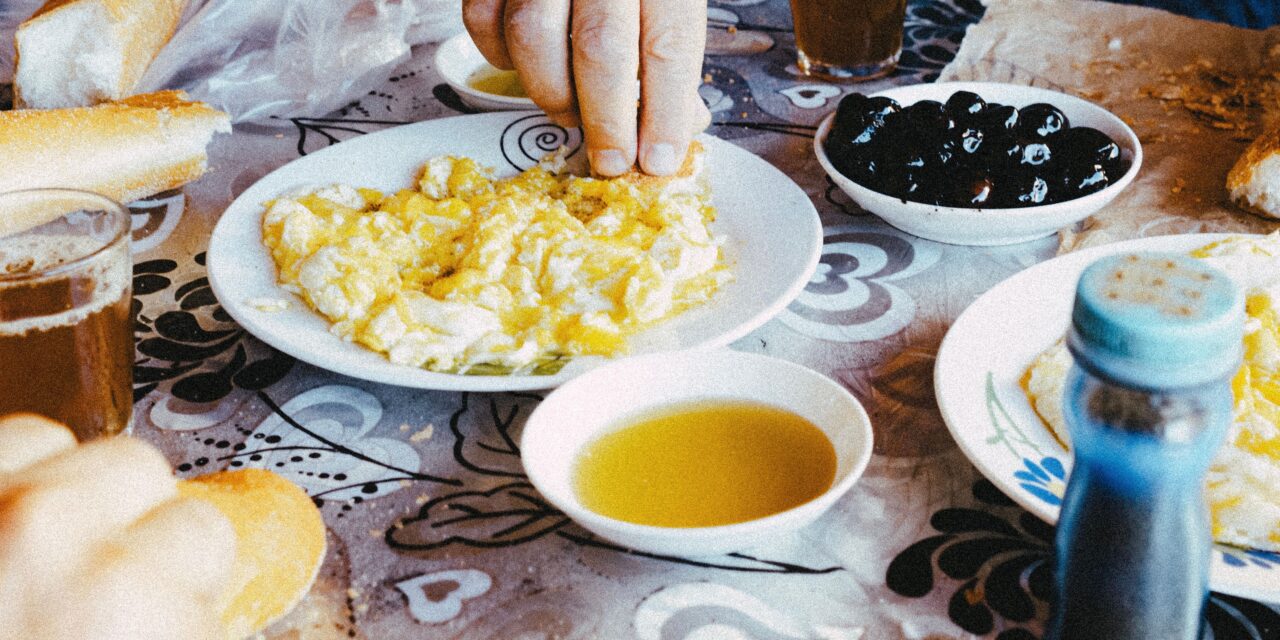
A traditional Moroccan breakfast is one of the most enjoyable and authentic ways to experience the country’s rich culture and warm hospitality. Unlike the quick grab-and-go breakfasts common in many parts of the world, breakfast in Morocco is often a leisurely meal meant to be shared with family and friends. It is a time to gather around the table, enjoy fresh homemade food, and start the day with meaningful conversation. The breakfast spread typically includes freshly baked bread, fluffy Moroccan pancakes, olive oil, honey, homemade jams, soft cheese, olives, and the country’s famous mint tea, creating a delicious balance of sweet and savory flavors.
Each region of Morocco adds its own unique touch to the morning table, introducing local specialties and traditional recipes that have been passed down through generations. Whether you’re enjoying breakfast in a bustling city like Marrakech, a coastal town, or a peaceful mountain village, you’ll notice how deeply food is connected to Moroccan traditions and everyday life. From simple family breakfasts to generous weekend feasts, every meal reflects the country’s love for fresh ingredients, hospitality, and shared moments.
Whether you are visiting Morocco for the first time, planning a future trip, or simply curious about Moroccan cuisine, learning about a traditional Moroccan breakfast provides a fascinating glimpse into the country’s daily life, culinary heritage, and timeless customs. Once you experience these flavorful morning dishes, it’s easy to understand why Moroccan breakfasts are considered one of the highlights of the country’s food culture.
What Is a Traditional Moroccan Breakfast?
A traditional Moroccan breakfast typically includes a variety of breads, pastries, spreads, and hot drinks. Rather than focusing on a single dish, breakfast is usually served as a collection of foods placed in the center of the table for everyone to share.
Many Moroccan families start the day with freshly baked bread accompanied by olive oil, butter, honey, jam, soft cheese, and tea. The meal is simple yet flavorful and reflects Morocco’s emphasis on fresh ingredients and hospitality.
Traditional Moroccan Breakfast and Family Life
One reason a traditional Moroccan breakfast remains important is its connection to family life. Breakfast is often a time when family members gather before beginning their daily activities.
On weekends and special occasions, breakfast may become a larger meal that includes additional dishes and more time spent together around the table.
Popular Foods in a Traditional Moroccan Breakfast
The foods served in a traditional Moroccan breakfast can vary slightly by region and household. However, several dishes are found throughout the country.
Khobz (Moroccan Bread)
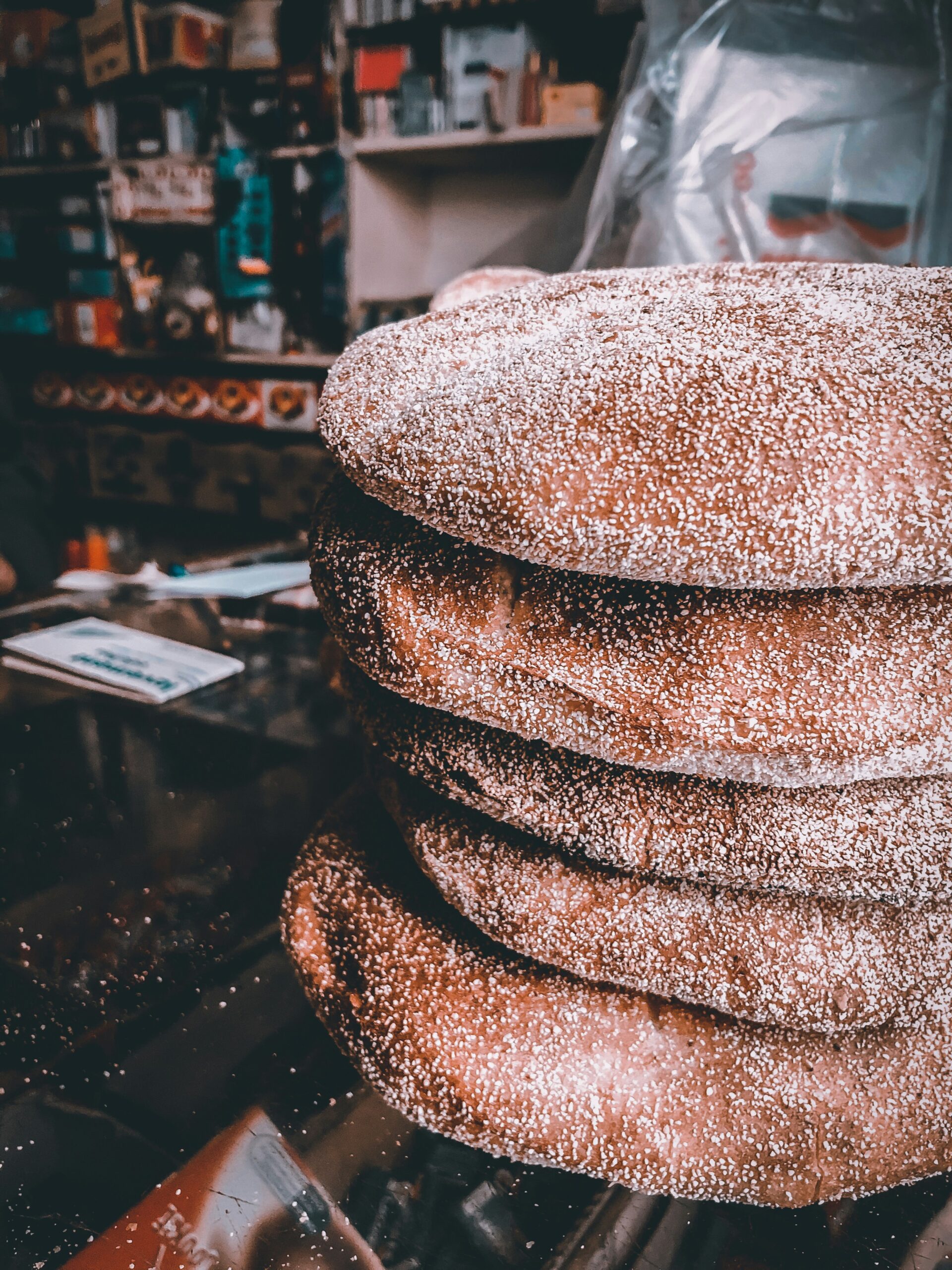
Khobz is one of the most important parts of a traditional Moroccan breakfast. This round bread is served with nearly every meal in Morocco and is often used instead of utensils to scoop up food.
Fresh khobz pairs perfectly with olive oil, honey, butter, and soft cheese.
Msemen
Msemen is a flaky square-shaped Moroccan pancake that is especially popular at breakfast.
Its crispy exterior and soft interior make it one of the most loved dishes in a traditional Moroccan breakfast. It can be enjoyed plain or served with honey and butter.
Baghrir
Often called the “thousand-hole pancake,” baghrir is another breakfast favorite.
Made from semolina, these light pancakes absorb butter and honey beautifully, making them a delicious addition to a traditional Moroccan breakfast.
Harcha
Harcha is a semolina bread that resembles a thick pancake.
It has a slightly crumbly texture and is commonly served warm with butter, cheese, or jam.
Drinks Served with a Traditional Moroccan Breakfast
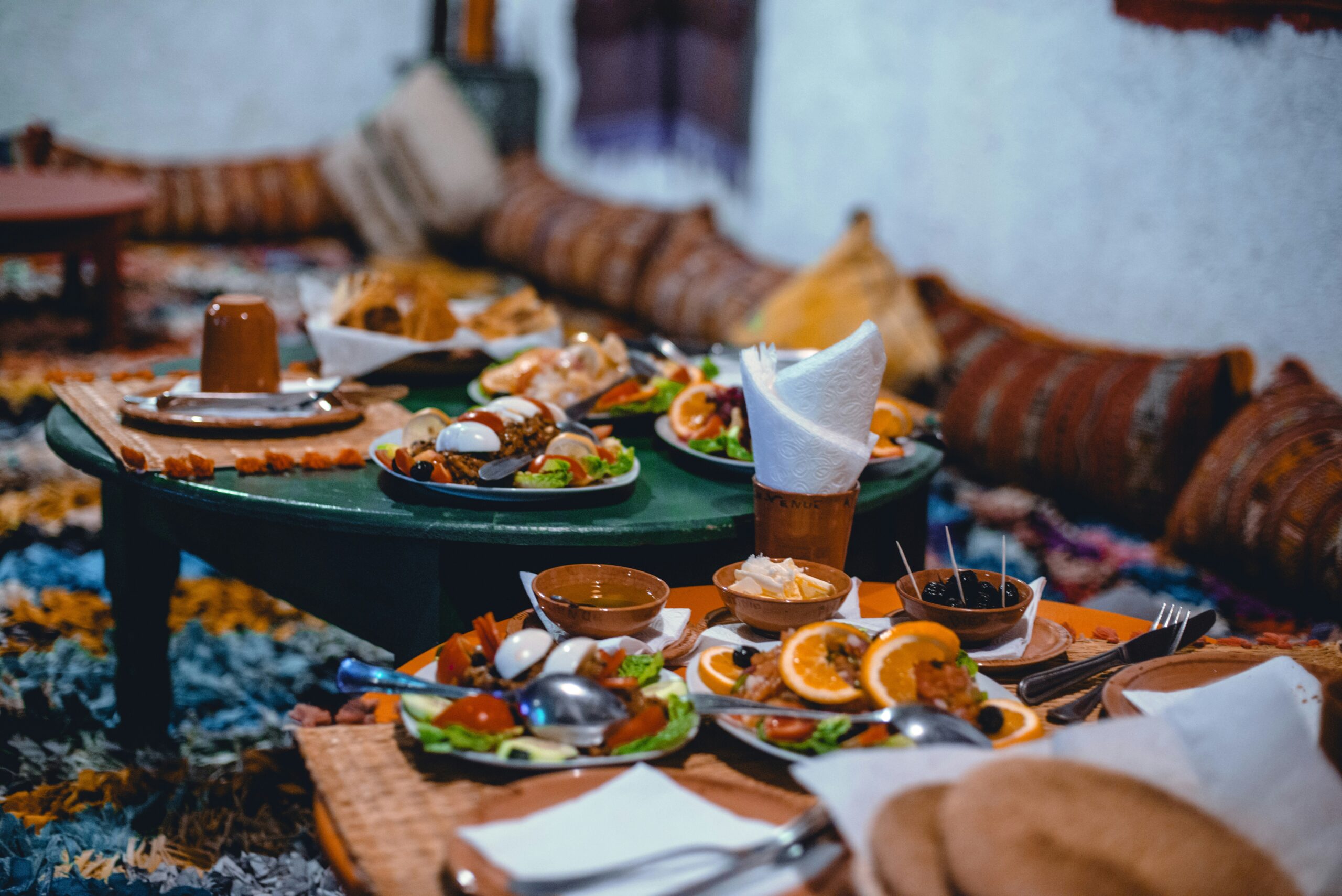
No traditional Moroccan breakfast would be complete without something to drink. Tea and coffee are the most common choices.
Moroccan Mint Tea
Mint tea is a central part of Moroccan culture and often accompanies breakfast.
Prepared with green tea, fresh mint, and sugar, it provides a refreshing start to the day and is frequently shared among family members and guests.
Moroccan Coffee
Although tea is more traditional, coffee is also widely consumed throughout Morocco.
Many Moroccans enjoy coffee alongside breakfast, especially in urban areas and cafés.
Why a Traditional Moroccan Breakfast Is Unique
A traditional Moroccan breakfast stands out because of its variety and emphasis on fresh, locally sourced ingredients. Instead of relying heavily on processed foods, Moroccan breakfasts often feature homemade breads, natural oils, local honey, and freshly prepared pancakes.
The meal also reflects Morocco’s diverse culinary heritage, which combines Amazigh, Arab, Mediterranean, and African influences. Visitors are often surprised by how many different flavors and textures can be found on a Moroccan breakfast table. A typical breakfast may include several types of bread, sweet and savory accompaniments, fresh olives, seasonal ingredients, and hot beverages served in a relaxed atmosphere. This combination creates a meal that feels both satisfying and welcoming. For many travelers, breakfast becomes one of the most memorable culinary experiences during their stay in Morocco.
Traditional Moroccan Breakfast in Different Regions
Regional differences can influence a traditional Moroccan breakfast. Coastal areas may include local specialties, while mountain villages often feature homemade products prepared using generations-old recipes.
Despite these variations, the emphasis on hospitality and fresh ingredients remains consistent throughout the country.
Traditional Moroccan Breakfast for Visitors
Many riads, guesthouses, and hotels offer visitors the opportunity to enjoy an authentic traditional Moroccan breakfast.
Travelers can often sample several breakfast dishes at once, making it easy to discover new flavors and learn more about Moroccan food culture.
Health Benefits of a Traditional Moroccan Breakfast
A traditional Moroccan breakfast often includes nutritious ingredients such as olive oil, whole grains, honey, and natural dairy products.
These foods provide energy and help create a balanced start to the day. Fresh ingredients and simple preparation methods contribute to the meal’s reputation as both delicious and wholesome.
Many visitors appreciate that Moroccan breakfasts feel filling without being overly heavy.
Tips for Enjoying a Traditional Moroccan Breakfast
To fully experience a traditional Moroccan breakfast, try a variety of breads and pancakes rather than focusing on just one item.
Pair them with olive oil, honey, cheese, or jam, and enjoy a glass of mint tea alongside your meal. Taking time to relax and savor the experience is an important part of Moroccan breakfast culture.
Final Thoughts on Traditional Moroccan Breakfast
A traditional Moroccan breakfast is much more than the first meal of the day. It reflects hospitality, family traditions, and Morocco’s rich culinary heritage. From fresh khobz and flaky msemen to sweet baghrir and refreshing mint tea, every item contributes to a unique and memorable dining experience.
For travelers exploring Morocco, enjoying a traditional Moroccan breakfast is one of the best ways to connect with local culture and start the day like a true Moroccan.
- 9 days tour from Casablanca to Marrakech
- 7 days tour from Casablanca to Marrakech
- 8 days tour from Casablanca to the imperial city
- 15 days tour from Casablanca to Marrakech
- 10 days tour of Morocco from Tangier
- 8 days Morocco Tour from Tangier
- 6 days tour from Tangier to Marrakech
- 3 days desert tour from Fes to Marrakech
- 10 days Morocco itinerary from Fes