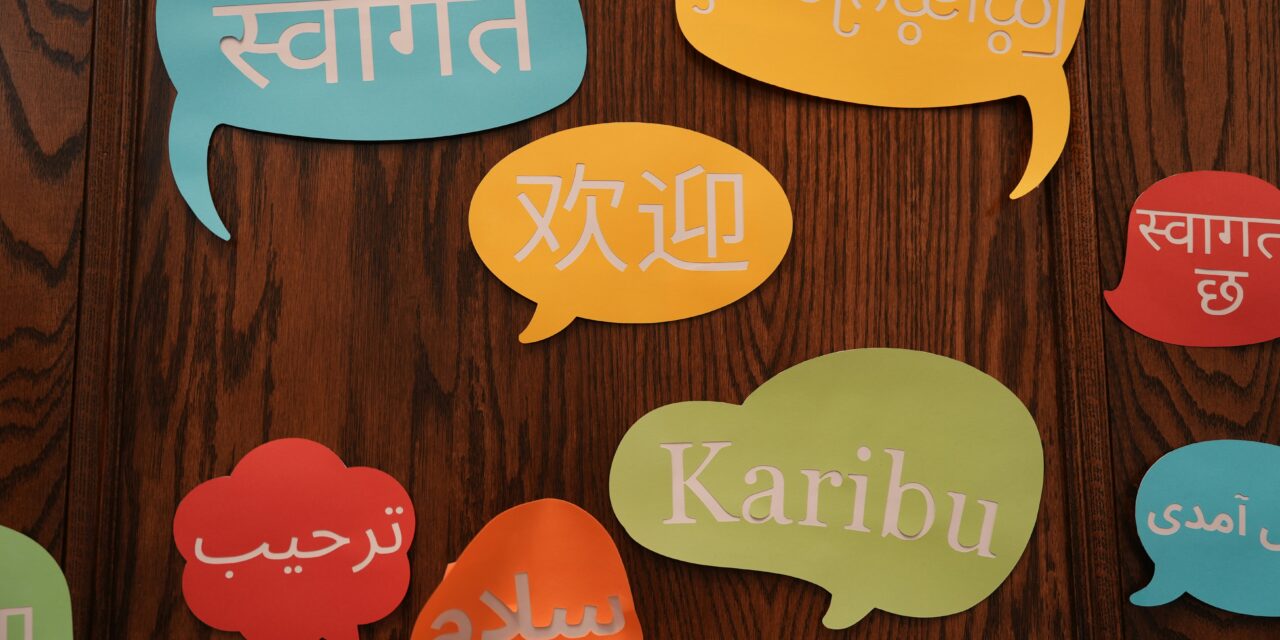
Languages spoken in Morocco reflect the country’s rich history, diverse culture, and unique position between Africa, Europe, and the Arab world. Many travelers are surprised to discover that Morocco is a multilingual country where people often switch between several languages during a single conversation.
If you are planning a trip, understanding the languages spoken in Morocco can help you communicate more confidently and better appreciate Moroccan culture. From Arabic and Amazigh to French and growing English usage, Morocco offers a fascinating linguistic landscape.
What Are the Main Languages Spoken in Morocco?
The most important languages spoken in Morocco are Moroccan Arabic (Darija) and Amazigh, also known as Berber languages. These are the two official languages of the country and are widely used in daily life.
Moroccan Arabic is the language most commonly heard in streets, markets, cafes, and homes. It differs from Standard Arabic and includes influences from Amazigh, French, Spanish, and other languages.
Amazigh is spoken by millions of Moroccans, particularly in the Atlas Mountains, the Rif region, and parts of southern Morocco. In recent years, Amazigh has gained greater recognition and visibility in schools, media, and public institutions.
Languages Spoken in Morocco: Moroccan Arabic (Darija)
Among all the languages spoken in Morocco, Darija is the language visitors will hear most often. It is the everyday language used by locals when speaking with family, friends, and neighbors.
Unlike Modern Standard Arabic, which is used in official documents, news broadcasts, and formal situations, Darija is more informal and unique to Morocco. This explains why Arabic speakers from other countries may sometimes find Moroccan Arabic difficult to understand.
Why Is French One of the Languages Spoken in Morocco?
French remains one of the most influential languages spoken in Morocco due to historical ties and its role in education, business, and administration.
Visitors will frequently see French on road signs, restaurant menus, government documents, and product packaging. In major cities such as Marrakech, Casablanca, Rabat, and Fes, many professionals use French regularly in their work.
For tourists, knowing basic French can be helpful, although it is not essential. Many Moroccans working in tourism can communicate in several languages.
Languages Spoken in Morocco in Tourist Areas
Tourism has increased the use of foreign languages across Morocco. In popular destinations, hotel staff, tour guides, shop owners, and restaurant employees often speak multiple languages to accommodate international visitors.
English has become increasingly common, especially among younger generations and tourism professionals. Many travelers can comfortably navigate Morocco using English in major tourist destinations.
Are English and Spanish Languages Spoken in Morocco?
Yes, both English and Spanish are among the languages spoken in Morocco, although their usage varies by region.
English continues to grow in popularity due to international business, social media, education, and tourism. Younger Moroccans are increasingly learning English and using it in professional settings.
Spanish is particularly common in northern Morocco because of historical and geographical connections with Spain. Cities such as Tangier, Tetouan, and Chefchaouen often have residents who can communicate in Spanish.
Which Language Should Tourists Use?
For most visitors, English is becoming one of the easiest languages spoken in Morocco to use when traveling. In tourist-friendly areas, many locals working with international visitors can communicate effectively in English.
However, learning a few local phrases can significantly improve your travel experience. Simple greetings in Arabic or Amazigh are often appreciated and can help create friendly interactions with local people.
Useful Languages Spoken in Morocco for Travelers
Here are a few useful expressions:
- Salam – Hello
- Shukran – Thank you
- La Shukran – No thank you
- Labas? – How are you?
- Bslama – Goodbye
Even using a few local words can leave a positive impression and demonstrate respect for Moroccan culture.
How the Languages Spoken in Morocco Reflect Its Diversity
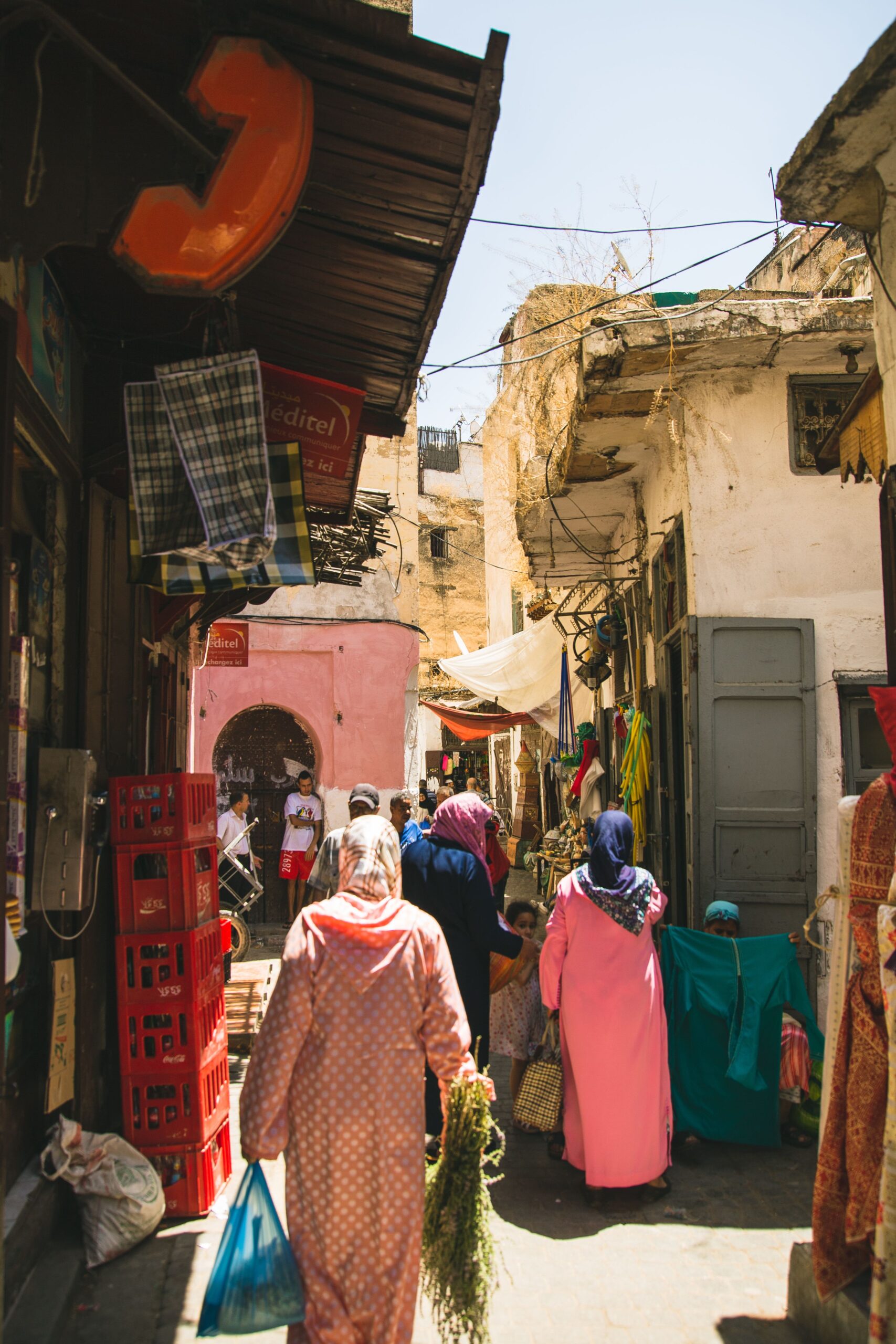
One of the most fascinating aspects of the languages spoken in Morocco is how they reflect the country’s cultural diversity. Morocco has long been a meeting point for different civilizations, cultures, and trading routes. Over centuries, Arabic, Amazigh, French, Spanish, and other linguistic influences have blended together to create a unique multilingual society. It is common for Moroccans to switch between languages depending on the situation, the people involved, and the location. A person may speak Darija at home, use French at work, read Modern Standard Arabic in official documents, and communicate in English with tourists. This remarkable linguistic flexibility is one of the characteristics that makes Morocco such an interesting destination for international travelers.
Languages Spoken in Morocco and Everyday Communication
Most Moroccans grow up hearing and using multiple languages. As a result, communication tends to be flexible and adaptable. Visitors often find locals willing to switch languages to help them understand directions, order food, or ask questions.
This multilingual environment contributes to the welcoming atmosphere that many travelers experience during their stay.
Final Thoughts on Languages Spoken in Morocco
The languages spoken in Morocco tell the story of a country shaped by diverse cultures and influences. Moroccan Arabic and Amazigh remain at the heart of everyday life, while French continues to play an important role in business and education. English and Spanish are also widely used in many regions, particularly in tourism.
For visitors, understanding the languages spoken in Morocco can enhance cultural experiences, improve communication, and make travel throughout the country even more enjoyable.
- 9 days tour from Casablanca to Marrakech
- 7 days tour from Casablanca to Marrakech
- 8 days tour from Casablanca to the imperial city
- 15 days tour from Casablanca to Marrakech
- 10 days tour of Morocco from Tangier
- 8 days Morocco Tour from Tangier
- 6 days tour from Tangier to Marrakech
- 3 days desert tour from Fes to Marrakech
- 10 days Morocco itinerary from Fes