What Is Moroccan Tea Culture?
Moroccan tea culture revolves around the preparation, serving, and sharing of mint tea. This tradition dates back centuries and continues to play a central role in everyday Moroccan life.
The classic recipe combines green tea, fresh mint leaves, and sugar. While the ingredients are simple, the preparation process is treated with care and attention. In many households, serving tea is considered both an art and a gesture of hospitality.
Across Morocco, tea is enjoyed throughout the day. It accompanies breakfast, welcomes guests, follows meals, and often becomes the centerpiece of conversations among family and friends.
Moroccan Tea Culture and Hospitality
One of the most important elements of Moroccan tea culture is hospitality. Offering tea to guests is a sign of respect and generosity.
When visiting a Moroccan home, refusing tea may sometimes be viewed as declining the host’s hospitality, although tourists are usually understood if they politely refuse. Sharing tea creates an atmosphere of comfort and connection, allowing people to relax and enjoy each other’s company.
For many Moroccans, preparing tea for guests is an expression of pride and kindness.
Why Mint Tea Is More Than a Drink
Many travelers quickly discover that Moroccan tea culture goes far beyond the beverage itself. Mint tea acts as a social ritual that brings people together.
Tea is often served during family gatherings, celebrations, business meetings, and casual visits. Rather than drinking quickly and moving on, people often take time to sit, talk, and enjoy the experience.
This tradition reflects an important aspect of Moroccan life: relationships matter. The act of sharing tea encourages conversation, strengthens friendships, and helps create lasting bonds between people.
Moroccan Tea Culture During Special Occasions
Tea is present at nearly every important event in Morocco. Weddings, religious celebrations, family gatherings, and community events often include multiple rounds of mint tea.
Because tea is deeply connected to hospitality, it naturally becomes part of moments when people come together to celebrate, welcome guests, or mark important occasions.
Visitors attending Moroccan cultural events will almost certainly encounter tea as part of the experience.
How Moroccan Mint Tea Is Prepared
The preparation process is an essential part of Moroccan tea culture. While recipes may vary slightly between regions and families, the traditional method remains largely the same.
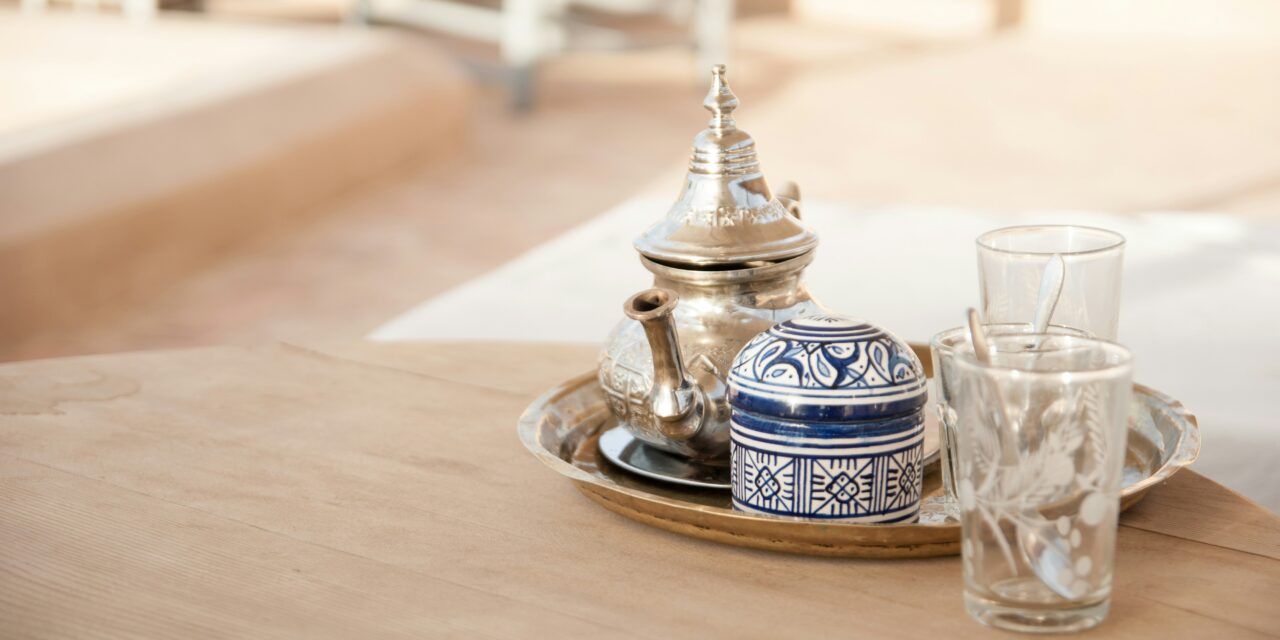
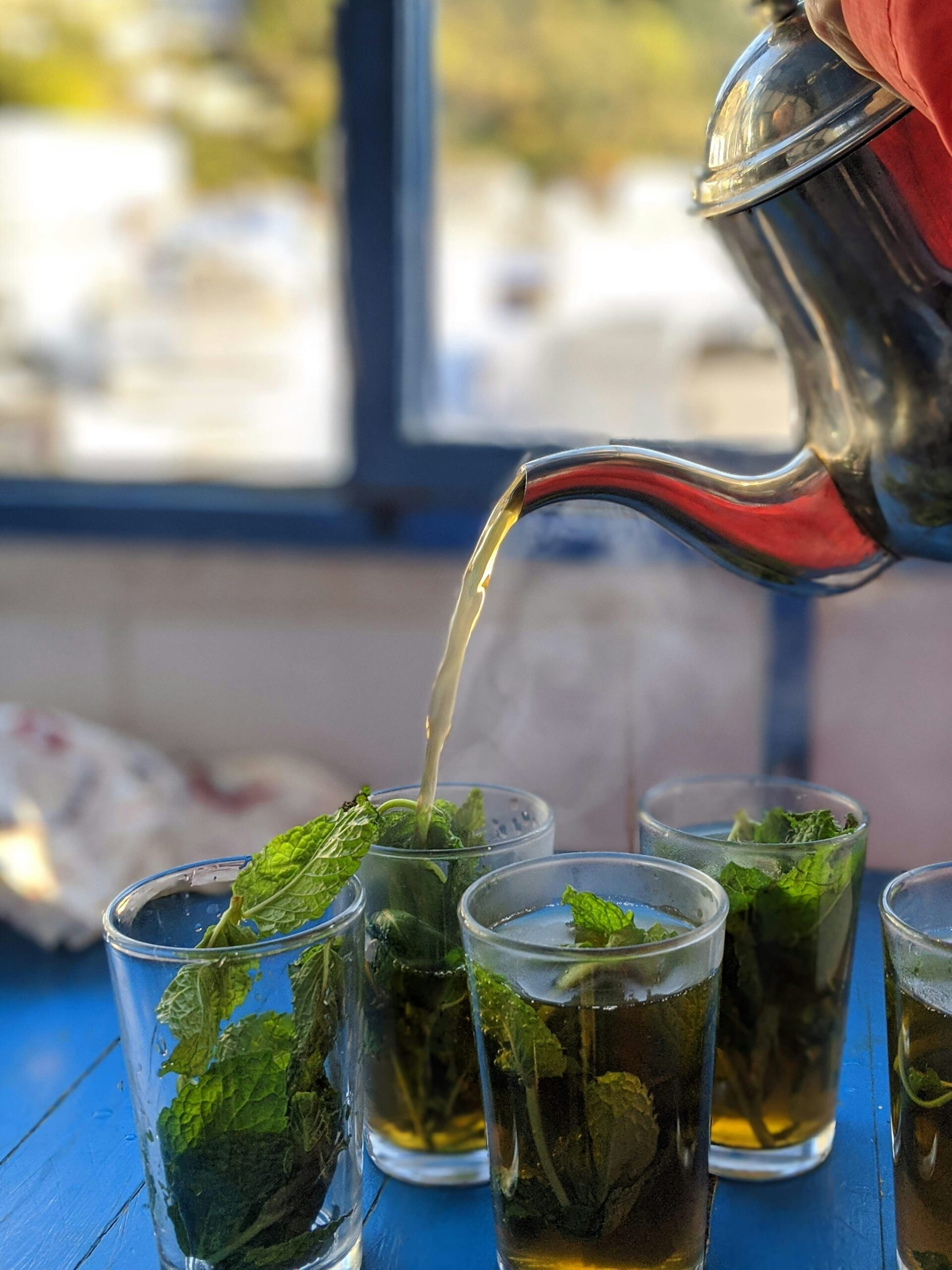
First, green tea leaves are placed into a teapot and rinsed. Fresh mint leaves are then added, followed by generous amounts of sugar. Hot water is poured into the pot, and the mixture is allowed to steep.
The tea is often poured from a height into small glasses. This technique helps aerate the tea and creates the light foam that many Moroccans consider a sign of well-prepared tea.
The Meaning Behind the Tea Pouring Ritual
Within Moroccan tea culture, pouring tea is not simply a practical step. The ritual itself has symbolic value.
Watching an experienced host prepare and pour tea is often part of the experience. The careful movements, presentation, and attention to detail demonstrate respect for guests and appreciation for tradition.
The serving process can be just as important as the tea itself.
Moroccan Tea Culture and the Three Glasses Tradition
A popular saying associated with Moroccan tea culture suggests that each glass tells a different story. While interpretations vary, the idea reflects the importance of taking time to enjoy tea rather than rushing through the experience.
Whether the saying is followed literally or symbolically, it highlights the connection between tea, conversation, and social interaction.
How Moroccan Tea Culture Reflects Moroccan Identity
One reason Moroccan tea culture remains so important is that it reflects the country’s identity. Morocco has long been a crossroads of civilizations, blending Arab, Amazigh, African, and Mediterranean influences. Over generations, mint tea evolved into a national symbol that transcends regions and backgrounds. Today, whether you are in a bustling medina, a mountain village, a coastal town, or a luxury desert camp, you are likely to encounter the same welcoming gesture: a freshly prepared glass of mint tea. This shared tradition connects people across the country and serves as a reminder of the values that many Moroccans hold dear, including generosity, community, respect, and hospitality. For visitors, participating in this tradition often becomes one of the most memorable parts of their journey through Morocco.
Experiencing Moroccan Tea Culture as a Traveler
Travelers who wish to experience authentic Moroccan tea culture should accept invitations to share tea whenever possible.
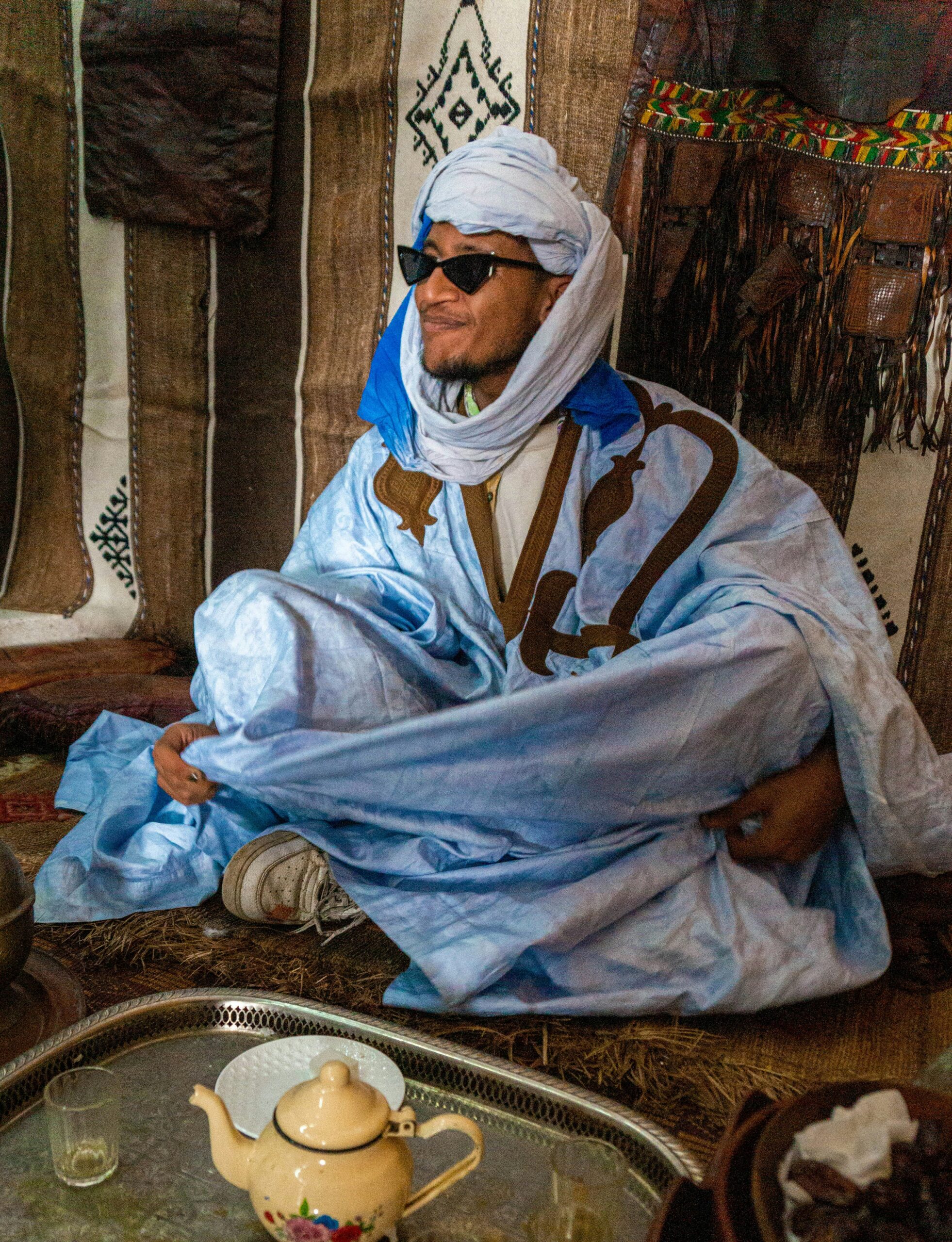
Whether in a family-run riad, a local café, or a traditional desert camp, tea provides a unique opportunity to connect with local people and learn more about Moroccan life.
Many visitors discover that some of their most meaningful travel memories begin with a simple glass of mint tea.
Final Thoughts on Moroccan Tea Culture
Moroccan tea culture is about much more than drinking tea. It represents hospitality, friendship, tradition, and human connection. While mint tea is delicious and refreshing, its true value lies in the relationships it helps create.
For anyone visiting Morocco, taking time to enjoy a glass of mint tea is one of the best ways to experience the country’s rich culture and warm hospitality.
- 9 days tour from Casablanca to Marrakech
- 7 days tour from Casablanca to Marrakech
- 8 days tour from Casablanca to the imperial city
- 15 days tour from Casablanca to Marrakech
- 10 days tour of Morocco from Tangier
- 8 days Morocco Tour from Tangier
- 6 days tour from Tangier to Marrakech
- 3 days desert tour from Fes to Marrakech
- 10 days Morocco itinerary from Fes