
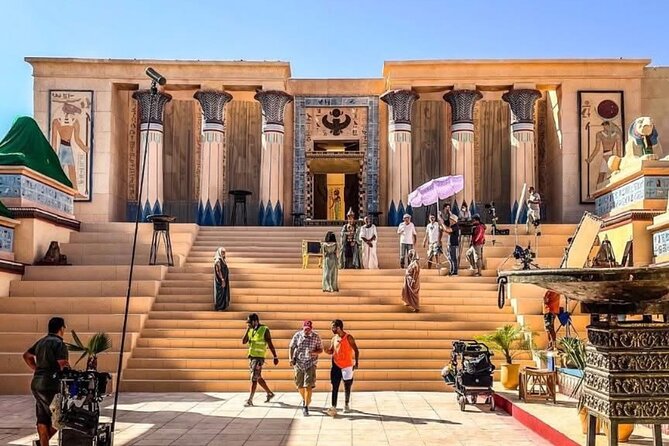
Nestled at the edge of the Sahara, Ouarzazate is not just a city — it’s a legend. From the epic sands of Gladiator to the sun-scorched walls of Game of Thrones, this extraordinary Moroccan destination has shaped some of the most iconic visuals in cinema history. Whether you’re a film enthusiast, a culture traveler, or simply someone looking for an unforgettable Moroccan adventure, Ouarzazate film city Morocco tourism offers an experience unlike any other on Earth.
What Makes Ouarzazate the Film Capital of Africa?
Long before “Africa’s Hollywood” became a catchphrase in travel guides, Ouarzazate was quietly writing cinematic history. Sitting at an altitude of 1,160 metres in the foothills of the Atlas Mountains, the city offers a staggering combination of dramatic desert landscapes, ancient kasbahs, crystalline light, and reliable sunshine — roughly 300 days of sun per year — that filmmakers from around the world simply cannot resist.
The story of Ouarzazate’s cinematic identity began in earnest in the 1960s when David Lean chose the surrounding landscapes for Lawrence of Arabia (1962). Since then, the city has hosted productions including The Man Who Would Be King, The Jewel of the Nile, The Last Temptation of Christ, Gladiator, Alexander, Kingdom of Heaven, Babel, Prince of Persia, and multiple seasons of Game of Thrones. The list reads like a who’s-who of Hollywood’s most ambitious epics.
What gives Ouarzazate its unique cinematic power is the sheer variety of landscapes within easy reach. Within an hour’s drive, directors can access Saharan dunes, rugged mountain gorges, lush palm oases, and ancient fortified villages. This geographic versatility has allowed the region to convincingly double as ancient Rome, biblical Jerusalem, medieval Persia, and the deserts of Central Asia — all without ever leaving Morocco.
Today, Ouarzazate attracts over 40,000 tourists annually and generates significant revenue for the local economy through both film tourism and traditional travel. The Moroccan government has actively invested in the region’s infrastructure, making it more accessible than ever. For visitors, the result is a destination that feels simultaneously remote and remarkably well-equipped.
Inside the Ouarzazate Film Studios: Atlas & CLA Studios Guide
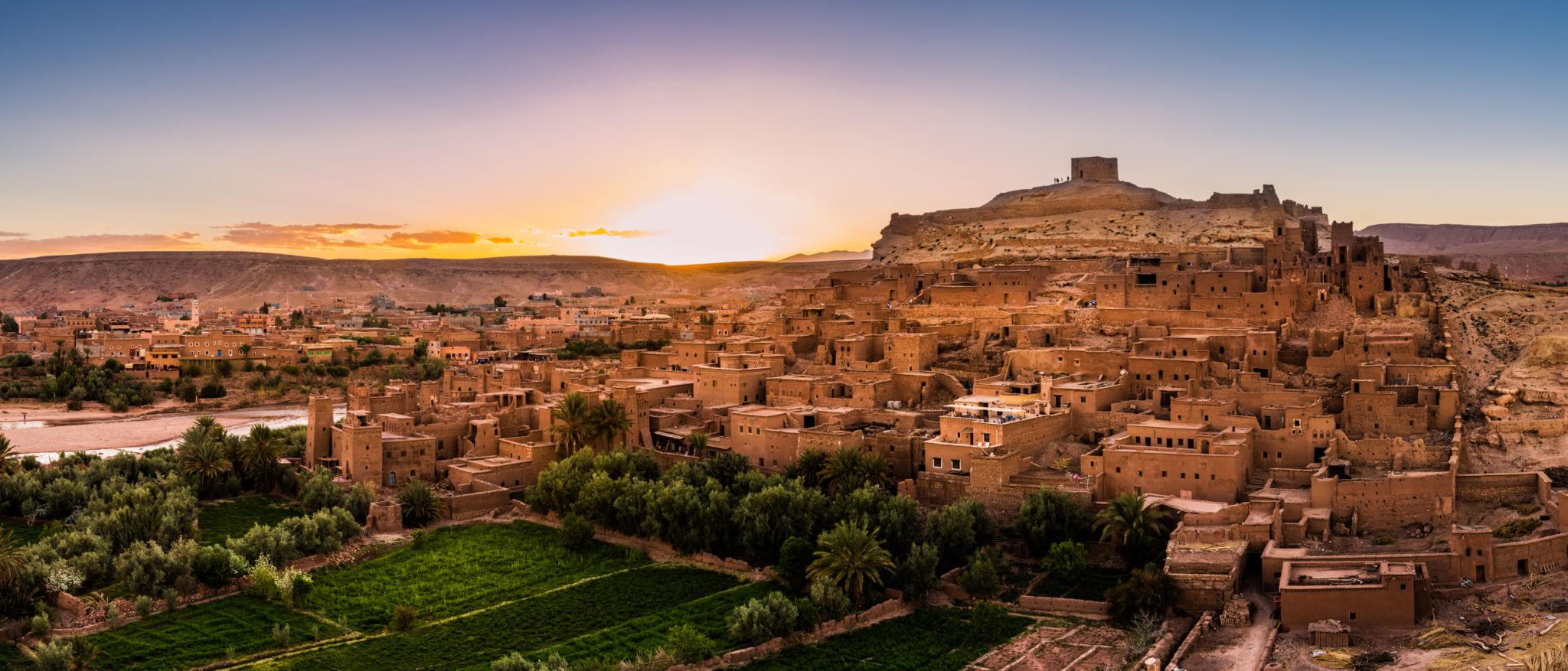
The crown jewels of Ouarzazate film city tourism are its two major professional studios — Atlas Corporation Studios and CLA Studios — both open to the public and offering genuinely memorable experiences.
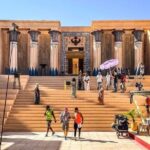
Atlas Corporation Studios is the larger and more famous of the two, located just a few kilometres outside the city centre. Founded in 1983, it spans an enormous site of around 300,000 square metres and has hosted some of the biggest productions in cinematic history. Walking through its gates is a surreal experience: towering Egyptian temple facades stand next to Roman coliseum walls, while a recreation of an ancient Jerusalem street sits a stone’s throw from a faux Viking village.
The studio offers guided tours lasting approximately 1.5 to 2 hours, during which visitors are taken through standing sets from past productions, expansive prop warehouses, and costume storage rooms filled with thousands of items accumulated across decades of filmmaking. One of the most popular areas is the Gladiator set section, where original structures from Ridley Scott’s 2000 epic still stand. Equally impressive are the Egyptian-themed sets built for productions like Asterix & Obelix: Mission Cleopatra.
CLA Studios (Cin’Atlas Studios) is the second major facility, founded slightly later and operating on a similarly grand scale. CLA has hosted productions including The Mummy, Salmon Fishing in the Yemen, and several French and European co-productions. Its tours are slightly more intimate and give visitors a closer look at how live film production actually works, including a peek into sound stages and post-production facilities when not in active use.
Visitor practicalities:
- Atlas Studios is typically open daily from 8:00 AM to 6:00 PM (last entry 5:30 PM)
- Entrance fees are around 50–80 MAD (Moroccan Dirhams) per person, roughly €5–8
- Guided tours in English, French, and Arabic are available
- Photography is permitted throughout most of the site
- Book early during peak season (March–May and September–November) as group tours fill quickly
Both studios also serve as working production facilities, so occasional closures occur during active shoots. It’s always worth calling ahead or checking with your hotel before visiting.
Top Tourist Attractions in Ouarzazate Beyond the Film Sets
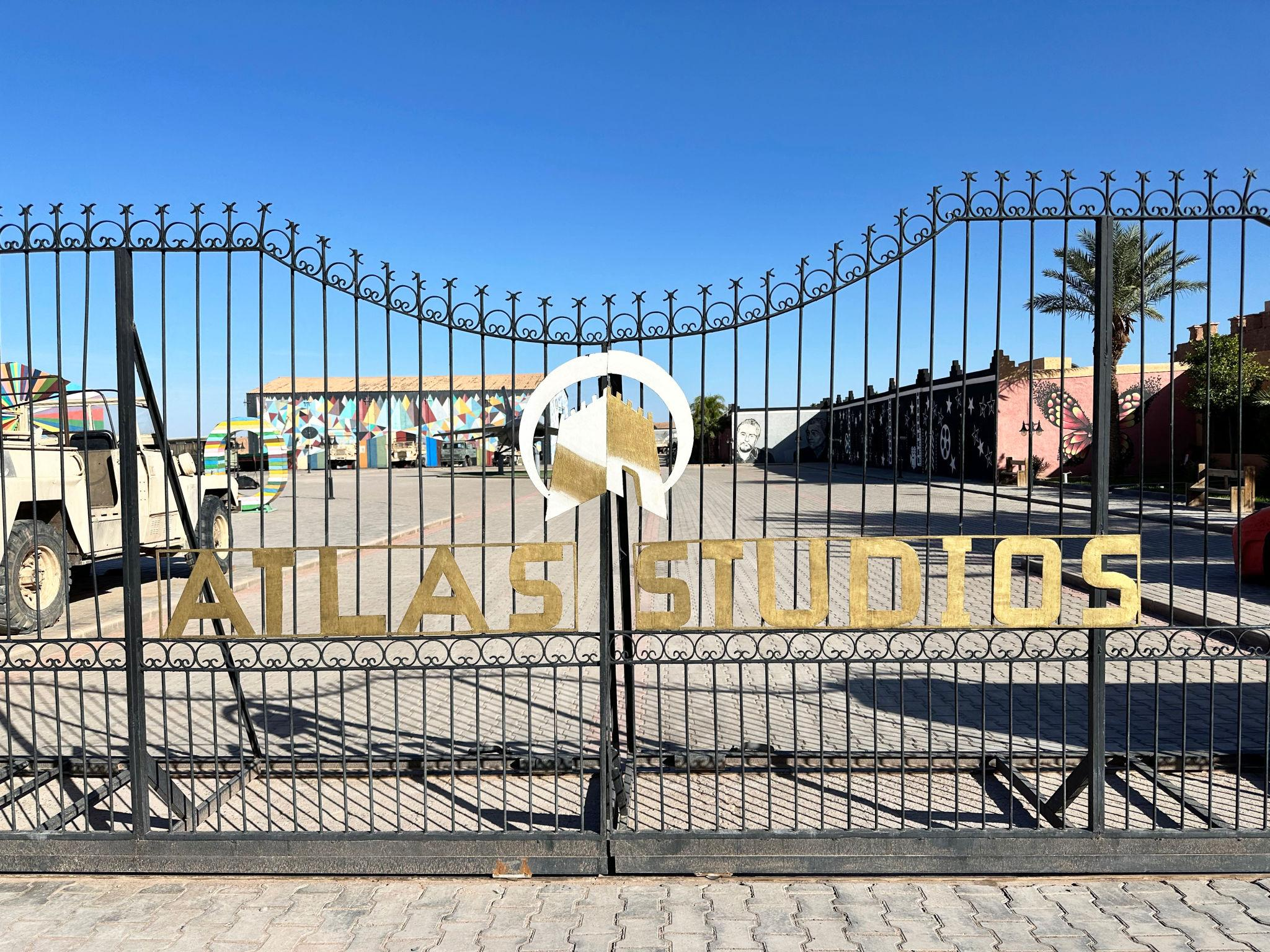
While the studios draw the headlines, Ouarzazate’s broader appeal extends far beyond Hollywood. The region is home to some of Morocco’s most breathtaking cultural and natural landmarks, many of which — fittingly — have their own film credentials.
Aït Benhaddou is arguably the single most spectacular sight in the entire region, and it sits just 30 kilometres from Ouarzazate along a scenic mountain road. This ancient fortified village (ksar) is a UNESCO World Heritage Site and has appeared on screen more than perhaps any other location in Morocco. It has served as a backdrop in Gladiator, Game of Thrones (as the city of Yunkai), The Jewel of the Nile, Lawrence of Arabia, and dozens of other productions. Built entirely from pisé (rammed earth), the ksar rises dramatically from the banks of the Ounila River, its ochre towers glowing golden in the afternoon light. Visitors can cross a shallow ford or a footbridge to enter the village, explore the winding alleys, and climb to the top for panoramic views of the surrounding valley. Several families still live within the old walls, and artisan workshops selling pottery, paintings, and jewellery line the main paths.
Taourirt Kasbah, located right in the heart of Ouarzazate itself, is another essential stop. Built by the powerful Glaoui clan in the 19th and early 20th centuries, Taourirt is one of the best-preserved kasbahs in Morocco. Its labyrinthine interior contains dozens of rooms, decorative plasterwork, and carved cedar woodwork. The surrounding medina quarter is excellent for wandering and shopping, with local crafts, spices, and argan products on offer.
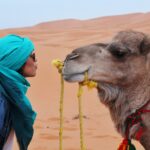
The Draa Valley stretches southward from Ouarzazate toward Zagora and offers one of the most beautiful drives in all of Morocco. The valley is a ribbon of green — date palms, tamarisk trees, and irrigated gardens — cutting through a vast expanse of rocky desert. Several small villages and kasbahs dot the route, and camel trekking excursions are available for those who want to venture into the dunes.
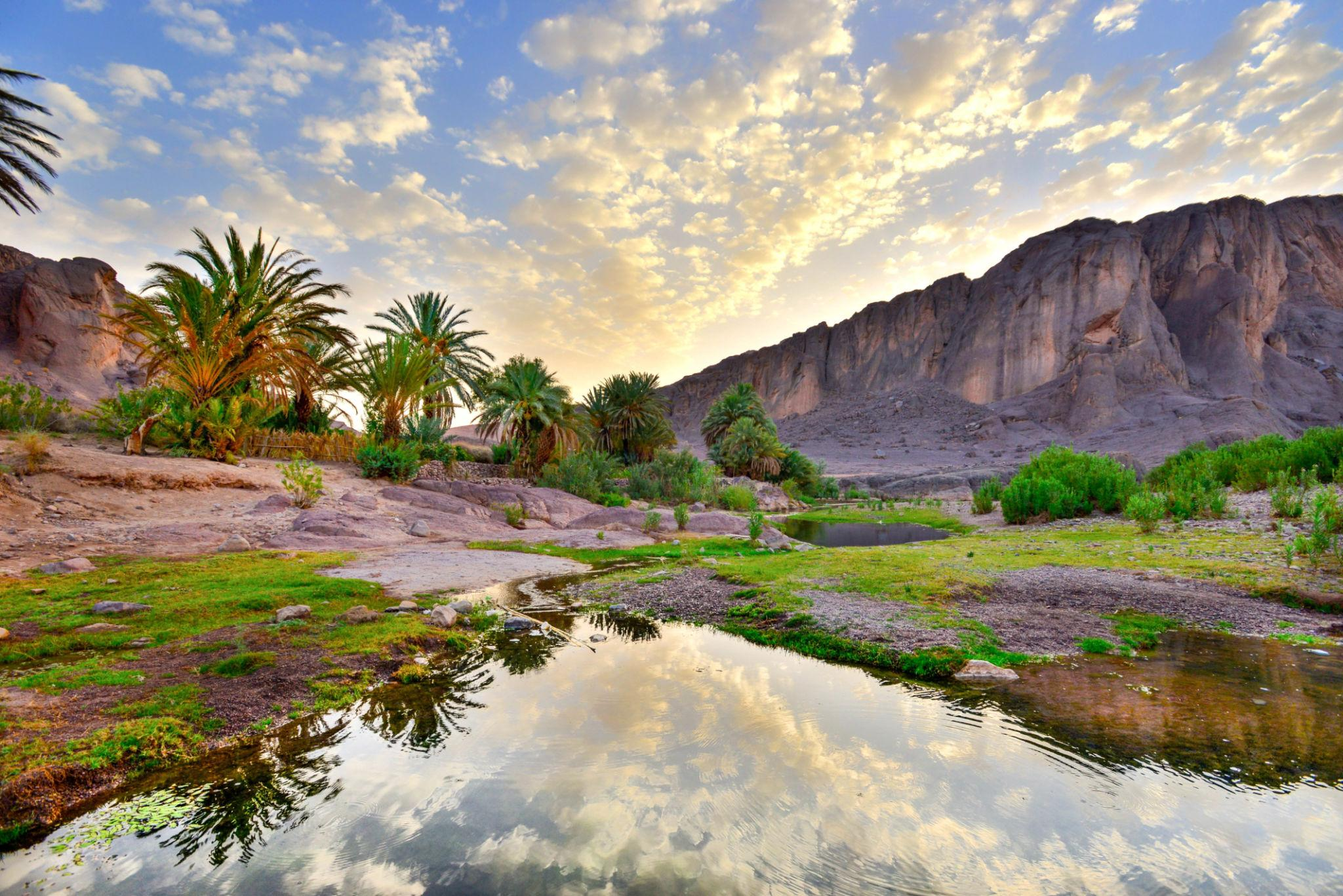
Fint Oasis, just 8 kilometres from the city, is a hidden gem that most tourists miss entirely. This lush palm grove in a dramatic rocky gorge offers a complete contrast to the surrounding arid landscape and makes for a perfect sunset walk or morning hike.
How to Get to Ouarzazate and Best Time to Visit Morocco’s Film City
Getting there is easier than you might expect, given Ouarzazate’s remote feel. The city has its own international airport — Ouarzazate Airport (OZZ) — with regular direct flights from Casablanca (approximately 1 hour) and seasonal connections from several European cities including Paris, Brussels, and Amsterdam. Royal Air Maroc and several low-cost carriers serve the route.
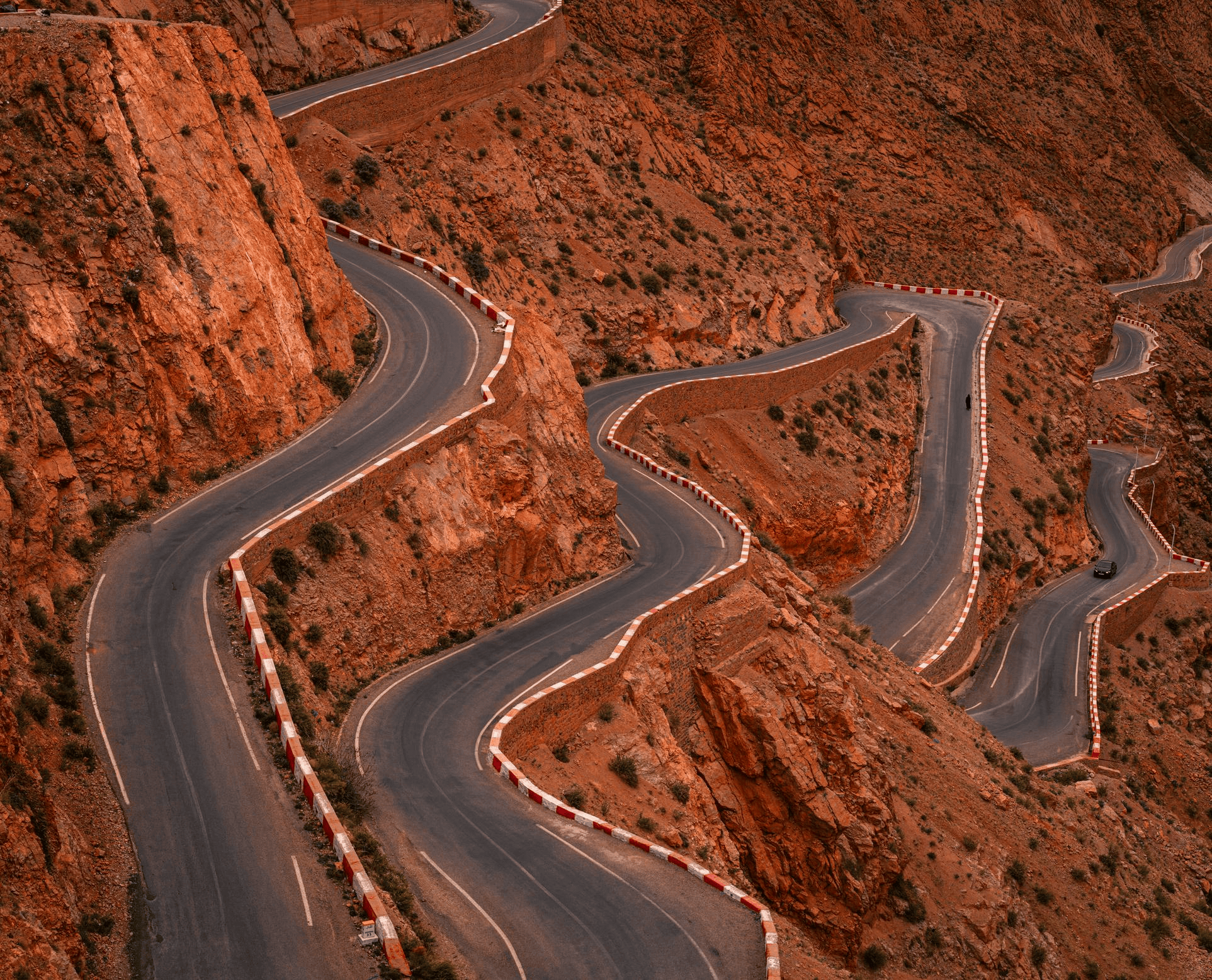
From Marrakech, the most popular option is the dramatic road journey over the Tizi n’Tichka pass in the High Atlas Mountains. The drive takes approximately 3 to 4 hours and is one of the most scenic road trips in North Africa, winding through Berber villages, cedar forests, and mountain passes reaching over 2,260 metres. Shared taxis (grand taxis) and private transfers are readily available from Marrakech, and several tour operators run day trips from the city — though an overnight stay is strongly recommended to do the region justice.
CTM and Supratours buses also connect Marrakech to Ouarzazate multiple times daily, offering a comfortable and affordable option for budget travellers.
Best time to visit depends on your priorities. The ideal windows are:
- Spring (March to May): Temperatures are pleasant (20–28°C), the landscape is at its greenest, and the light is superb for photography. This is peak season, so book accommodation in advance.
- Autumn (September to November): Very similar conditions to spring, often slightly less crowded. Excellent for hiking and desert excursions.
- Winter (December to February): Cooler days (10–18°C) and cold nights, but crowds are thin, prices are lower, and clear skies offer dramatic views. Snow occasionally appears on the Atlas passes.
- Summer (June to August): Very hot (regularly above 38°C) and not recommended for outdoor exploration during midday hours. The studios and kasbahs remain open, but the experience is significantly less comfortable.
As a practical note, Ouarzazate works well as either a standalone destination (2–3 nights) or as part of a longer southern Morocco circuit taking in Marrakech, the Draa Valley, and the Merzouga dunes near Erg Chebbi.
Where to Stay and Eat in Ouarzazate: Hotels, Riads & Local Cuisine
Ouarzazate’s accommodation scene has matured considerably over the past decade, offering something for every type of traveller.
For mid-range and boutique stays, the city’s riad-style guesthouses offer the most atmospheric option. Many are built in traditional kasbah style, with mud-brick walls, internal courtyards, rooftop terraces, and hand-painted Moroccan tile work. Properties in and around the Taourirt Kasbah area place you within easy walking distance of the medina and local restaurants.
For upscale comfort, several four and five-star hotels operate on the outskirts of the city, including the well-regarded Berbère Palace and Le Riad Salam — a palatial property with a swimming pool, hammam, and manicured gardens. These hotels often organise studio tours, desert excursions, and cultural experiences for guests.
Budget travellers are well catered for by a range of clean, friendly guesthouses and auberges along the main avenue Mohammed V, many of which offer Berber-style rooms with breakfast included for under €30 per night.
When it comes to food, Ouarzazate delivers the full Moroccan culinary experience. Must-try dishes include:
- Tagine — slow-cooked stew of lamb, chicken, or vegetables with preserved lemon, olives, and aromatic spices. Every restaurant does its own version; comparing them across the city is its own pleasure.
- Couscous — typically served on Fridays, the traditional day, with seven vegetables and tender braised meat.
- Harira — a thick, warming soup of tomatoes, lentils, chickpeas, and herbs, often served with dates and shebbakia pastries.
- Mechoui — slow-roasted whole lamb, a celebratory dish often available at larger restaurants upon advance request.
- Msemen — flaky, pan-fried flatbreads served with argan oil and honey, perfect for breakfast.
For an authentic dining experience, head to the small family restaurants tucked into the streets around Place Al Mouahidine or ask your guesthouse for local recommendations. Avoid the tourist-facing restaurants directly in front of the studios, which tend to charge significantly more for significantly less.
Insider Travel Tips for Visiting Ouarzazate Film City Like a Pro
Making the most of Ouarzazate requires a little planning. Here are the insider tips that most guides won’t tell you.
Visit the studios in the morning. Light is better, temperatures are lower, and the crowds — mostly arriving on afternoon day trips from Marrakech — haven’t arrived yet. Early morning visits also increase your chances of catching any active filming activity on the lot.
Hire a local guide for Aït Benhaddou. The village is more complex than it looks, and a knowledgeable local guide (available at the entrance for approximately €10–15) will bring the history, architecture, and film stories to life in a way that self-guided wandering simply cannot. Several guides are former film extras with genuinely fascinating first-hand stories.
Pack for temperature swings. The desert climate means hot afternoons and surprisingly cold nights, even in spring and autumn. A light jacket is essential year-round, and sunscreen is non-negotiable regardless of season.
Bargain respectfully in the souks. In Ouarzazate’s medina and craft shops, initial prices are almost always negotiable, typically by 20–40%. The key is to be friendly and patient rather than aggressive. A genuine interest in the craft often leads to a fair deal and a more enjoyable interaction.
Rent a car for maximum flexibility. While day tours and grand taxis are convenient, having your own vehicle opens up the Draa Valley, Fint Oasis, and the smaller kasbahs at your own pace. Roads in the area are generally well-maintained and signposted.
Photography golden hours are sacred. The light in Ouarzazate at sunrise and sunset transforms the kasbahs and desert landscapes into something truly extraordinary. Set your alarm early for shots of Aït Benhaddou before the tour groups arrive.
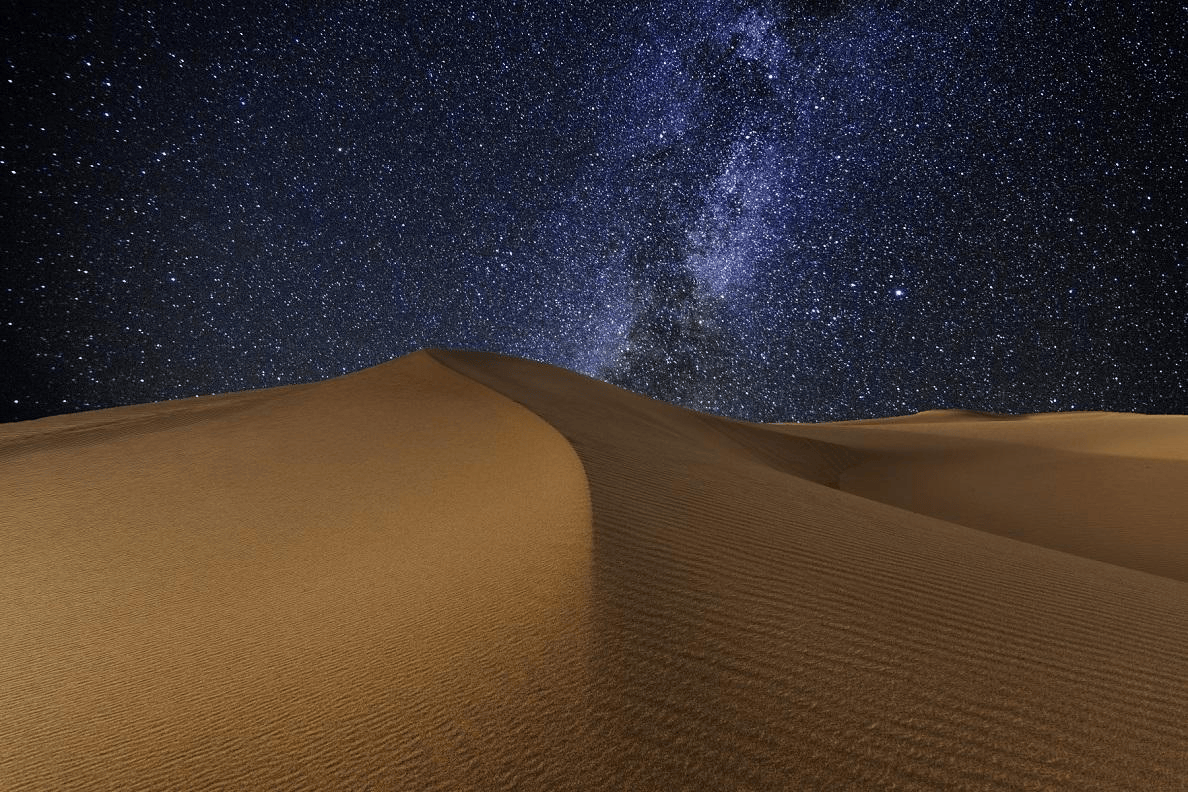
Spend at least one night. Day-trippers from Marrakech miss the best of Ouarzazate: the evening light on the Taourirt Kasbah, dinner in a quiet local restaurant, and the extraordinary silence and star-filled sky that descend over the city after dark.
Is Ouarzazate Worth Visiting? Final Verdict for Film & Culture Lovers
Ouarzazate is, without question, one of Morocco’s most rewarding destinations — and one of the most underrated travel experiences in all of Africa.
For film enthusiasts, the ability to walk through the actual sets of Gladiator, Game of Thrones, and dozens of other iconic productions is a genuinely thrilling experience that no studio tour in Hollywood can replicate. These aren’t recreations — they’re the original structures, baking in the same Saharan sun under which they were first filmed.
For culture and history lovers, the combination of UNESCO-listed Aït Benhaddou, the living traditions of the Draa Valley’s Berber communities, and the architectural grandeur of the kasbahs represents Morocco at its most elemental and authentic.
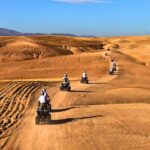
For adventure seekers, the proximity to the Sahara, the Atlas Mountains, and some of the world’s most dramatic desert landscapes makes Ouarzazate a natural basecamp for trekking, camel riding, and off-road exploration.
And for anyone who simply loves travel that feels genuinely different — that delivers wonder around every corner — Ouarzazate delivers in abundance.
The city rewards curiosity, benefits from at least two or three nights, and is best combined with a broader southern Morocco circuit. Come for the movie magic, stay for the culture, and leave with the kind of memories that, like the films shot here, tend to last a lifetime.
- 9 days tour from Casablanca to Marrakech
- 7 days tour from Casablanca to Marrakech
- 8 days tour from Casablanca to the imperial city
- 15 days tour from Casablanca to Marrakech
- 10 days tour of Morocco from Tangier
- 8 days Morocco Tour from Tangier
- 6 days tour from Tangier to Marrakech
- 3 days desert tour from Fes to Marrakech
- 10 days Morocco itinerary from Fes











Recent Comments