Why Do Moroccan Houses Look Simple Outside?
One of the first things travelers notice about Moroccan houses is their understated exterior appearance. Unlike homes in some countries that showcase wealth through large facades and decorative street-facing designs, traditional Moroccan homes focus their beauty inward.
The exterior walls are often plain and functional, offering little indication of what lies beyond the entrance.
This architectural approach reflects cultural values that emphasize privacy, family life, and modesty rather than public display.
Moroccan Houses and the Importance of Privacy
Privacy has always played a central role in the design of Moroccan houses. Traditional Moroccan culture places great importance on protecting family life from public view.
As a result, windows facing the street are often small or limited, while most living spaces face inward toward private courtyards.
This design allows families to enjoy comfort, light, and open spaces without sacrificing privacy.
The Hidden Beauty of Moroccan Houses
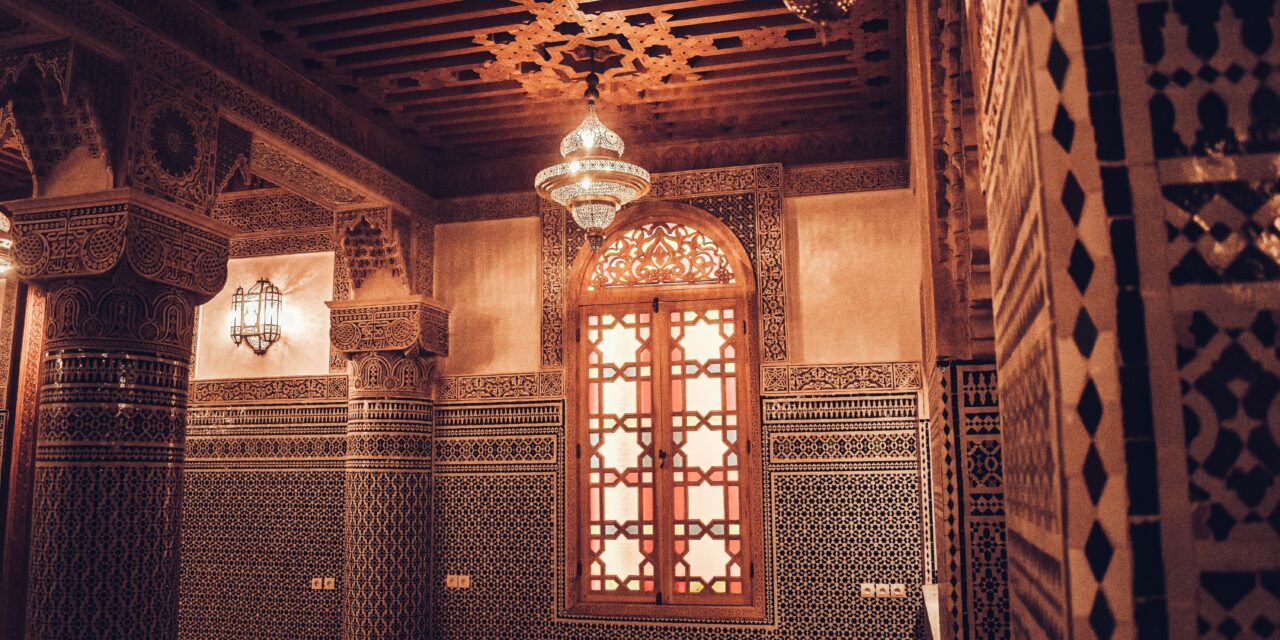
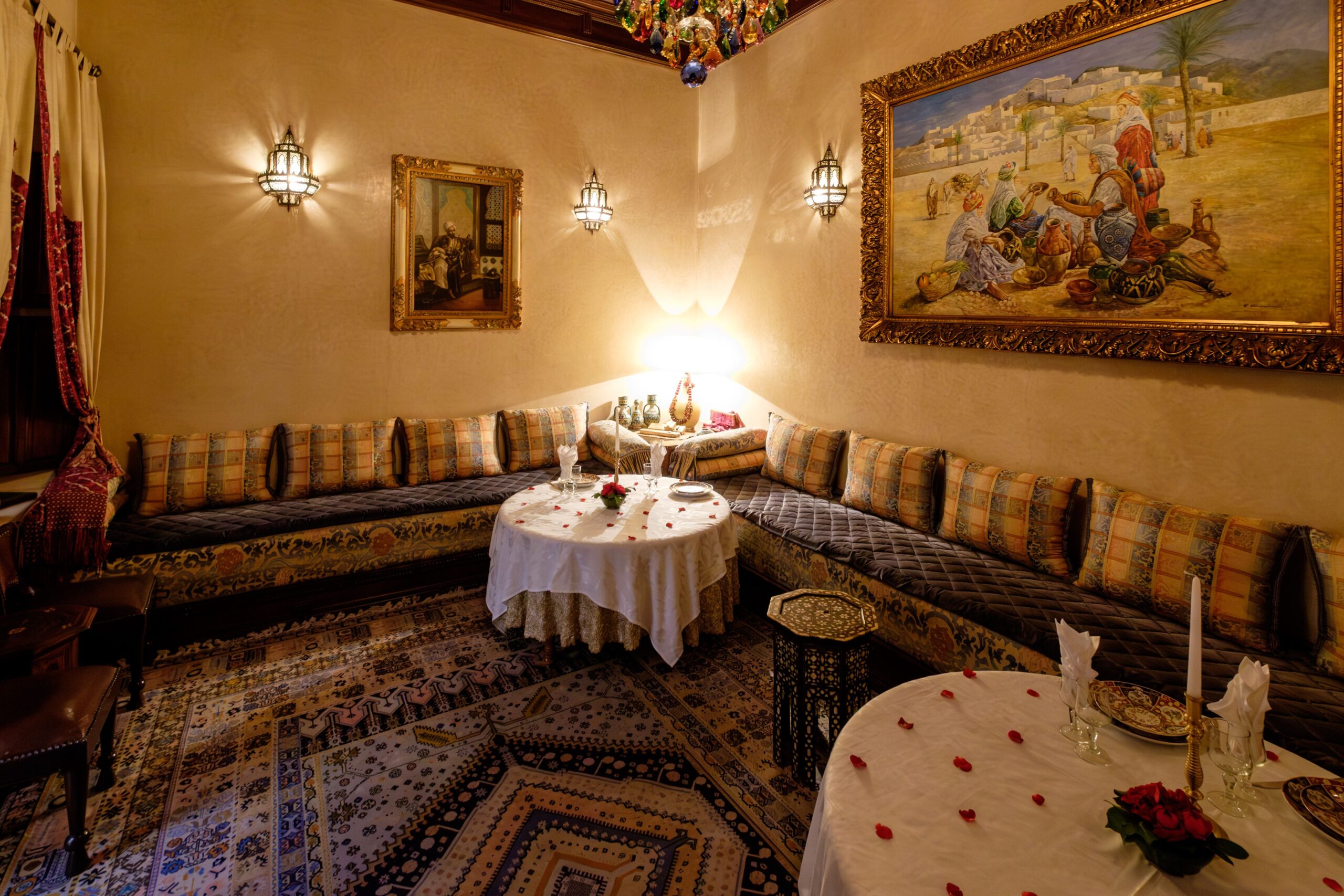
While the outside may appear simple, the interiors of Moroccan houses often showcase extraordinary craftsmanship and artistic detail.
Upon entering a traditional home, visitors are frequently greeted by a central courtyard surrounded by beautifully decorated rooms.
These interiors may feature:
- Colorful zellige tilework
- Hand-carved cedar wood
- Decorative plasterwork
- Traditional arches
- Intricate metal lanterns
- Elegant fountains
- Handmade textiles
The contrast between exterior simplicity and interior beauty is one of the defining characteristics of Moroccan architecture.
Moroccan Houses and Interior Courtyards
A central courtyard is one of the most important features found in traditional Moroccan houses.
Known as a riad courtyard in many historic homes, this space serves as the heart of the house. It provides natural light, ventilation, and a peaceful environment for family gatherings.
Plants, fountains, and decorative elements often transform the courtyard into a private oasis away from the busy streets outside.
How Climate Influenced Moroccan Houses
The design of Moroccan houses is not only cultural but also practical.
Morocco experiences hot summers in many regions, and traditional architecture evolved to help residents stay comfortable. Thick walls help regulate indoor temperatures, while inward-facing layouts create shaded areas that remain cooler throughout the day.
Moroccan Houses and Natural Cooling
Long before air conditioning existed, Moroccan houses used architectural techniques to maintain comfortable living conditions.
Courtyards improve airflow, while fountains and plants contribute to cooling effects. Small exterior openings help reduce heat while protecting interior spaces from dust and noise.
These traditional solutions remain effective even today.
Moroccan Houses in Historic Medinas
Many of the most beautiful Moroccan houses can be found within the ancient medinas of cities such as Fes, Marrakech, Meknes, and Tetouan.
Walking through narrow streets lined with plain walls, visitors often have no idea that some of the country’s most stunning architectural treasures are hidden behind simple wooden doors.
This sense of discovery is part of what makes exploring Moroccan medinas so memorable.
Moroccan Houses and Traditional Riads
A riad is a traditional type of Moroccan house built around an interior courtyard.
Today, many historic riads have been transformed into boutique hotels and guesthouses, allowing travelers to experience authentic Moroccan architecture firsthand.
For many visitors, staying in a riad becomes one of the highlights of their trip.
monly served warm with butter, cheese, or jam.
What Makes Moroccan Houses So Unique?
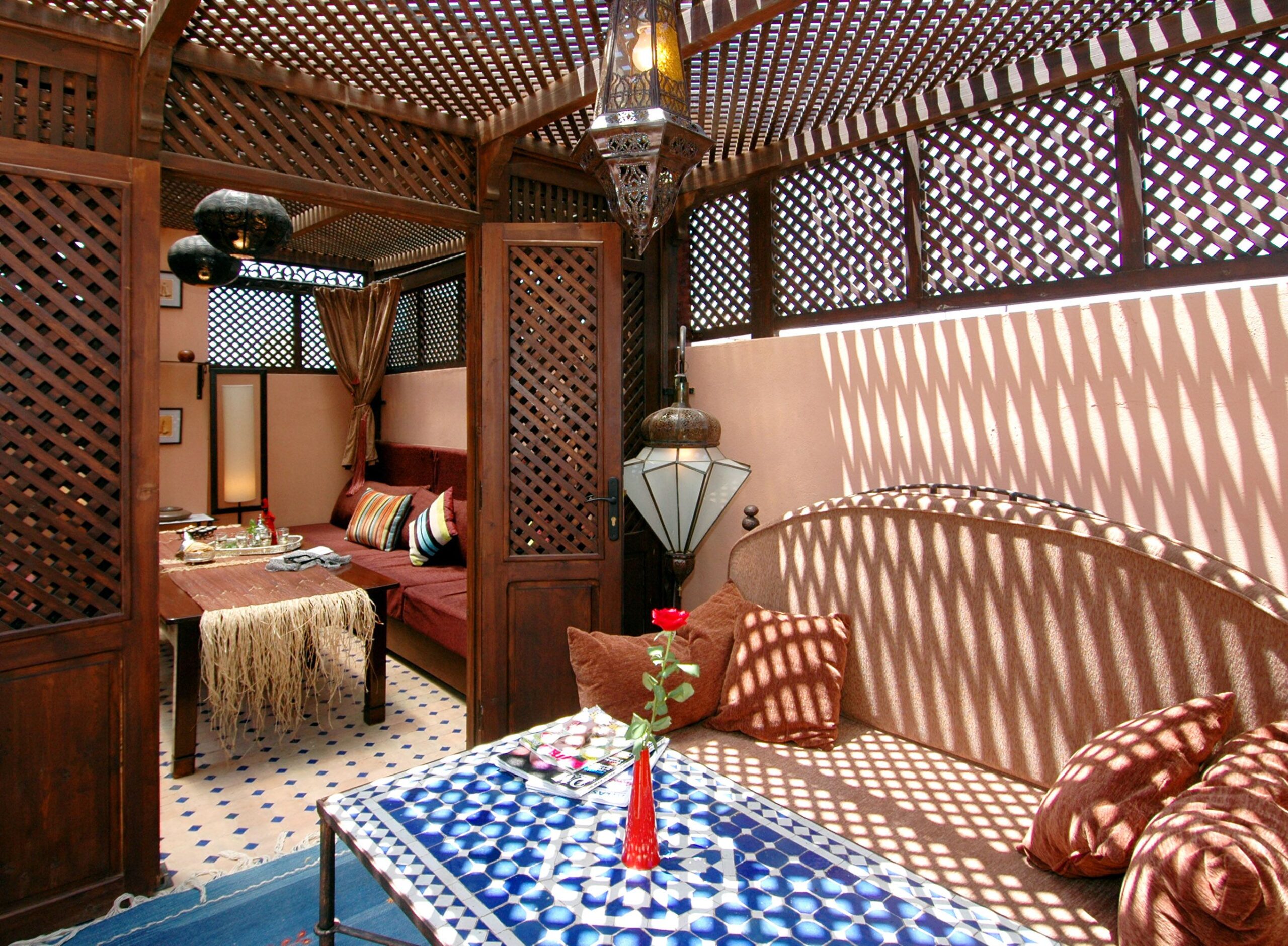
The uniqueness of Moroccan houses comes from their ability to combine beauty, functionality, privacy, and cultural identity in a single design. Rather than focusing on external appearances, traditional Moroccan architecture creates living spaces that prioritize comfort and family life. Every decorative detail inside the home serves both an artistic and practical purpose. The use of handcrafted materials, geometric patterns, natural light, and peaceful courtyards creates an atmosphere that feels both elegant and welcoming. This inward-focused approach has allowed Moroccan architecture to preserve its distinctive character for centuries while continuing to inspire architects and designers around the world. Many travelers are amazed by how dramatically the interior of a Moroccan home differs from its modest exterior, making each visit feel like the discovery of a hidden treasure.
Moroccan Houses and Moroccan Culture
The architecture of Moroccan houses reflects broader cultural values that emphasize hospitality, family connections, and respect for personal space.
Guests are often welcomed into beautifully decorated reception areas that showcase craftsmanship while maintaining the privacy of family living spaces.
This balance between openness and discretion is a defining characteristic of Moroccan culture.
Why Tourists Love Visiting Moroccan Houses
Visitors are often fascinated by the unexpected beauty found inside Moroccan houses.
Whether exploring a historic riad, visiting a local family home, or touring a restored palace, travelers gain a deeper appreciation for Morocco’s artistic heritage and architectural traditions.
The experience reveals a side of Morocco that cannot be understood simply by looking at buildings from the street.
Best Places to See Traditional Moroccan Houses
Travelers interested in traditional architecture should visit:
- Fes Medina
- Marrakech Medina
- Meknes Old City
- Chefchaouen
- Essaouira
- Historic riads throughout Morocco
These destinations offer excellent opportunities to admire authentic Moroccan houses and learn about their history.
Final Thoughts on Moroccan Houses
Moroccan houses may appear simple from the outside, but their true beauty lies within. Designed around privacy, comfort, and artistic expression, these homes reveal centuries of architectural knowledge and cultural tradition.
For visitors, stepping through the door of a traditional Moroccan house often feels like entering another world—one filled with stunning craftsmanship, peaceful courtyards, and timeless elegance. Understanding why Moroccan houses are built this way provides valuable insight into Moroccan culture and one of the country’s most fascinating architectural traditions.
- 9 days tour from Casablanca to Marrakech
- 7 days tour from Casablanca to Marrakech
- 8 days tour from Casablanca to the imperial city
- 15 days tour from Casablanca to Marrakech
- 10 days tour of Morocco from Tangier
- 8 days Morocco Tour from Tangier
- 6 days tour from Tangier to Marrakech
- 3 days desert tour from Fes to Marrakech
- 10 days Morocco itinerary from Fes