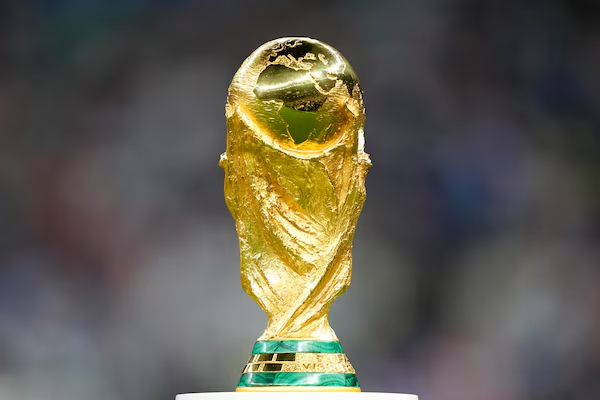
There are trips you take, and then there are trips that define a generation. The 2030 FIFA World Cup — a centennial tournament unlike anything football has seen before — is the latter. And for those lucky enough to witness it in Morocco, the experience promises to be something truly extraordinary: ancient medinas alive with the roar of crowds, the Sahara glowing under stadium floodlights, and the scent of cumin and saffron drifting past fan zones in cities that have stood for a thousand years.
Morocco doesn’t just host the World Cup. Morocco becomes it.
This is your definitive guide to planning a trip to Morocco for the 2030 FIFA World Cup — covering everything from host cities and stadiums to accommodation, transport, culture, and a step-by-step planning timeline. Whether you’re a die-hard football pilgrim or a curious traveller looking for the trip of a lifetime, this guide will get you there prepared, informed, and ready to be amazed.
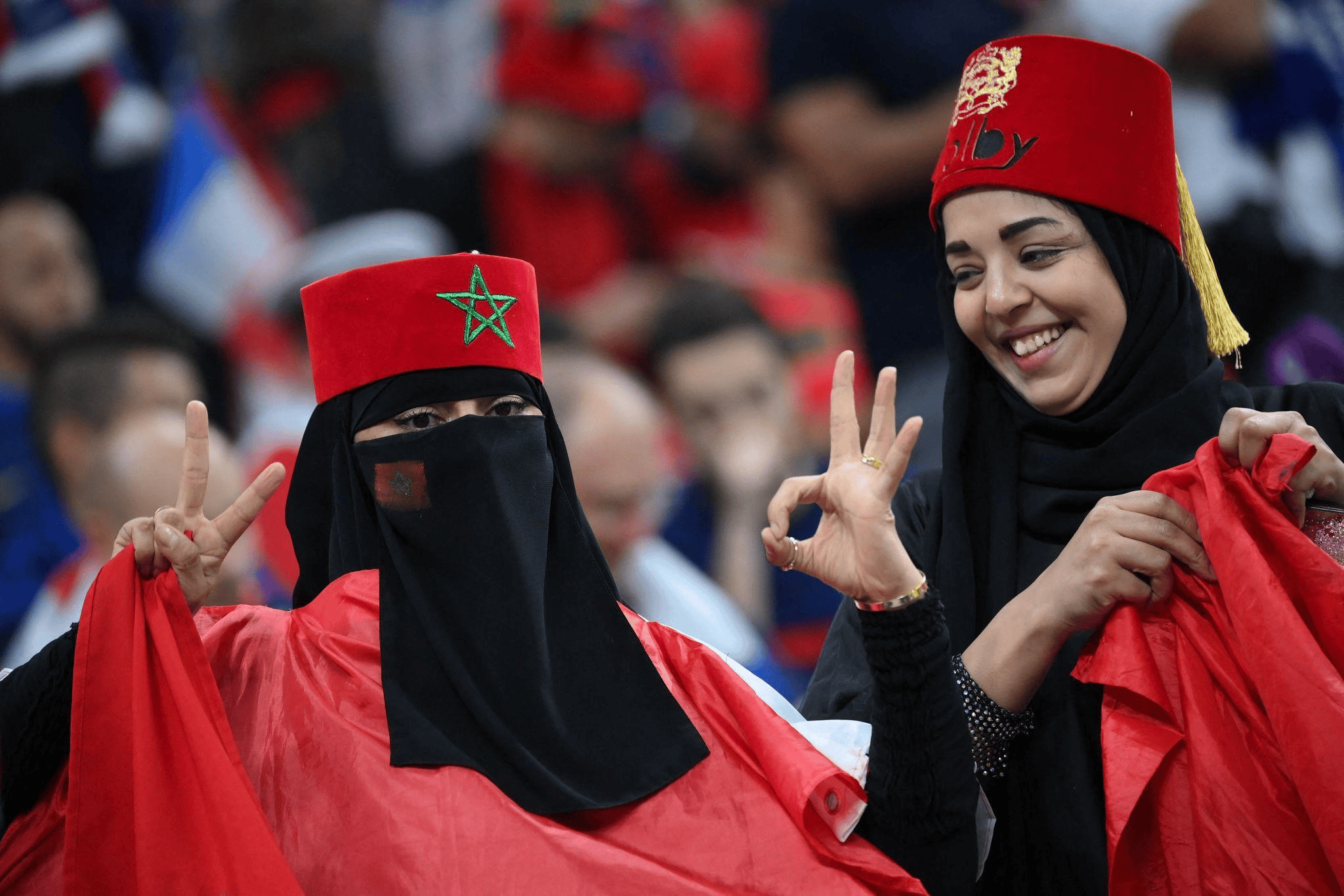
Why Morocco Is a Must-Visit Destination for the 2030 World Cup
A Historic Tournament on an Extraordinary Stage
The 2030 FIFA World Cup is not a standard tournament. Organised to mark 100 years since the inaugural World Cup in 1930, it spans three continents — Europe, Africa, and South America — with Spain, Portugal, and Morocco serving as the primary co-hosts for the bulk of matches, and centenary celebration games held in Argentina, Uruguay, and Paraguay.
For Morocco, this is a moment decades in the making. After five consecutive failed bids to host the World Cup — in 1994, 1998, 2006, 2010, and 2026 — the Kingdom finally secured its place on the global stage. The result is a nation that has been preparing with exceptional ambition: billions of dirhams invested in stadiums, high-speed rail, airport expansions, and smart city infrastructure.
Why Morocco Stands Apart from Its Co-Hosts
Spain and Portugal are magnificent footballing nations with world-class infrastructure. But Morocco offers something neither can match: the sheer contrast of worlds. Where else can you watch a World Cup group stage match in the afternoon and ride a camel into a desert sunset by evening? Where else does a stadium’s shadow fall across a UNESCO World Heritage medina?
Morocco is, by almost every measure, the most culturally extraordinary destination of this World Cup. The country sits at the crossroads of Arab, Berber, Andalusian, and Sub-Saharan African civilisations. Its imperial cities — Fez, Marrakech, Rabat, Meknes — are living museums, layered with centuries of history. Its coastline stretches from the Atlantic to the Mediterranean. Its landscapes shift from cedar forests to volcanic rock to golden dunes within a single day’s drive.
Add to this the fact that Morocco is Africa’s first World Cup co-host, and the symbolic weight of the tournament becomes palpable. This is not just a football event. It is a statement to the world.
Key facts at a glance:
- Morocco will host an estimated 48 matches across 6 venues
- Expected international visitors to Morocco alone: over 1.5 million
- 6 Moroccan cities confirmed as host venues
- Morocco’s Atlas Lions will compete as a co-host nation, guaranteed a place in the tournament
Morocco 2030 World Cup Host Cities and Stadiums Guide
Morocco’s six host cities stretch from the northern tip of the country down to the southern Atlantic coast, offering an incredible range of experiences both inside and outside the stadium. Here is what you need to know about each one.
Casablanca — The Commercial Capital
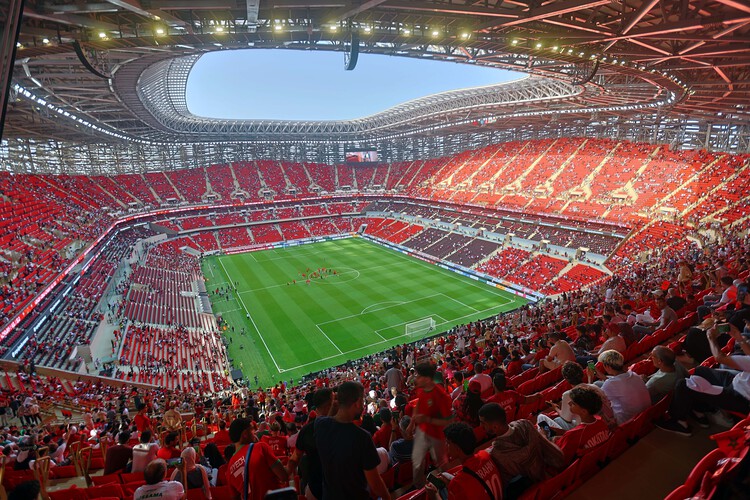
Morocco’s largest city is the economic engine of the country, and its centerpiece venue — the Grand Stade Hassan II — is set to become one of the largest football stadiums ever built, with a planned capacity exceeding 115,000 seats. Casablanca is a modern, cosmopolitan city with excellent hotels, a vibrant restaurant scene, and the iconic Hassan II Mosque overlooking the Atlantic. Expect this to be the venue for the highest-profile matches, including potential semi-finals or the final itself.
Best for: Big-match atmosphere, luxury accommodation, city nightlife
Marrakech — The Red City
No city on earth looks quite like Marrakech, and the prospect of World Cup football descending on the Djemaa el-Fna square is almost too spectacular to imagine. The Marrakech stadium (El Harti, expanded for 2030) sits just 20 minutes from the medina. The city is already a world-class tourist destination with an enormous range of accommodation, from budget hostels to some of the most breathtaking riads on the planet.
Best for: Culture, atmosphere, luxury riad stays, day trips to the Atlas Mountains
Rabat — The Capital
Often overlooked in favour of Marrakech, Rabat is one of Morocco’s most elegant cities — tree-lined boulevards, a beautiful old medina, and the Kasbah of the Udayas perched above the Atlantic. The Moulay Abdallah Stadium is being significantly expanded for 2030. As the political capital, Rabat will likely host important matches and is a fantastic base for those who want a less hectic experience.
Best for: History, walkability, quieter atmosphere, proximity to Casablanca
Fez — The Spiritual Heart
Fez el-Bali, the world’s largest car-free urban area, is perhaps the most extraordinary city in North Africa. Its medieval medina — a UNESCO World Heritage Site — feels genuinely unchanged from the 14th century. Football and Fez might seem an unlikely pairing, but that contrast is precisely what makes it so compelling. The city’s stadium is being upgraded to meet FIFA’s 2030 requirements.
Best for: The most authentic Moroccan cultural experience, tanneries, ancient architecture
Agadir — The Atlantic Resort
Morocco’s premier beach resort is a very different experience from the imperial cities. Rebuilt after a catastrophic earthquake in 1960, Agadir is modern, relaxed, and dominated by its golden beachfront. It offers a welcome change of pace for fans wanting to decompress between matches, with excellent seafood restaurants and beach clubs.
Best for: Beach, relaxation, family travel, post-match downtime
Tangier — The Gateway to Africa
Perched where the Atlantic meets the Mediterranean, Tangier has one of the most dramatic geographical positions of any city on earth — you can see Spain from the clifftop. Its storied literary history (William S. Burroughs, Paul Bowles, and Jack Kerouac all wrote here) gives it a bohemian edge, while the expanded Ibn Battouta Stadium will add a World Cup chapter to its already remarkable story.
Best for: History, dramatic scenery, cross-border day trips to Spain, coastal atmosphere
How to Get to Morocco for the 2030 World Cup
Flying In: International Airports
Morocco has three major international airports that will handle the bulk of World Cup arrivals:
Mohammed V International Airport (Casablanca) is the country’s largest and busiest hub, with direct connections to virtually every major city in Europe, the Middle East, Africa, and North America. It will be the primary entry point for most visitors and is well-connected to the city by train (the Casa Voyageurs line runs regularly and takes about 35 minutes).
Marrakech Menara Airport handles millions of tourists annually and has direct routes from dozens of European cities, making it the most convenient option for those based in Marrakech. Given high demand during the tournament, the airport is undergoing significant expansion ahead of 2030.
Ibn Battouta Airport (Tangier) serves the north of the country and benefits from its proximity to Spain, with regular ferries and a growing number of European flight connections.
For matches in Rabat and Fez, Casablanca is typically the best flying option, with train or coach connections completing the journey.
The Ferry Option: Coming from Spain or Portugal
One of the most unique aspects of the 2030 World Cup is that fans could theoretically watch a match in Spain or Portugal and take a ferry to Morocco for the next one. Several ferry routes connect the Iberian Peninsula to Morocco:
- Tarifa to Tangier (35–45 minutes, the shortest crossing)
- Algeciras to Tangier Med (about 60–90 minutes)
- Barcelona or Genoa to Tangier (longer overnight ferries)
This multi-country, multi-continent itinerary is one of the most exciting travel possibilities this World Cup presents.
Visa Requirements
Morocco has a relatively open visa policy. Citizens of the European Union, the United States, Canada, Australia, the United Kingdom, and many other countries can enter Morocco visa-free for stays of up to 90 days. However, visa requirements can and do change, so always verify the current requirements through your country’s official government travel portal well in advance of your trip.
FIFA may also coordinate specific tournament entry documentation, as was done for previous World Cups — check FIFA’s official website for updates as 2030 approaches.
Booking Flights: When and How
For a tournament of this magnitude, the earlier you book, the better. Historical data from previous World Cups suggests:
- 18–24 months out: Prices are still relatively reasonable; best selection of departure times
- 12 months out: Significant price increases begin; still manageable
- 6 months and closer: Premium pricing; limited availability on direct routes
Set fare alerts on platforms like Google Flights, Skyscanner, or Hopper and be flexible on your exact travel dates if possible.
Where to Stay in Morocco During the 2030 World Cup
Book Early — This Cannot Be Overstated
Accommodation across Morocco will be in unprecedented demand during the 2030 World Cup. The country has been investing heavily in expanding its hotel capacity ahead of the tournament, but demand will still far outstrip supply in peak periods. If you are reading this now, the time to start researching accommodation is now, even if you don’t book immediately.
Types of Accommodation
Riads are the quintessential Moroccan experience — traditional courtyard houses, often with a central fountain or garden, converted into boutique hotels or guesthouses. They are typically found inside the medinas of cities like Marrakech, Fez, and Rabat, and range from budget-friendly to genuinely world-class luxury. Staying in a riad is one of the defining travel experiences Morocco has to offer, and is highly recommended for at least part of your trip.
International hotel chains (Marriott, Sofitel, Hyatt, Four Seasons, and others) are well-established in Casablanca, Marrakech, and Agadir, offering the familiar comforts and consistency that many travellers prefer. Expect these to be the first to sell out.
Apartments and holiday rentals via platforms like Airbnb will likely be very popular but also overpriced during peak tournament periods. Quality varies enormously — read reviews carefully and book well in advance.
Fan villages and tournament accommodation packages — FIFA typically works with Official Hospitality partners to offer tournament-specific accommodation packages that include match tickets, hotel stays, and transfers. These are premium-priced but offer unparalleled convenience and peace of mind.
City-by-City Accommodation Tips
- Casablanca: Stay in the Corniche or Anfa districts for best access to the stadium and nightlife. The city’s business hotel market is large and competitive.
- Marrakech: Staying inside the medina (in a riad) is unforgettable but requires planning — streets are narrow and taxis can’t always reach your door. The Guéliz (Nouvelle Ville) neighbourhood offers easier logistics.
- Rabat: The Agdal and Hassan neighbourhoods are well-positioned for the stadium and the medina alike.
- Fez: Stay in or near the Fez el-Bali medina for the full experience, but be prepared for navigating one of the most labyrinthine urban environments on earth.
- Tangier: The Mountain district (Marshan) offers stunning sea views; the medina is compact and walkable.
- Agadir: The beachfront zone is the obvious choice — most hotels here are resort-style and geared toward relaxation.
Getting Around Morocco During the World Cup
The Train Network: Fast, Comfortable, Reliable
Morocco operates one of Africa’s best passenger rail networks, run by ONCF (Office National des Chemins de Fer). The star of the system is Al Boraq, Morocco’s high-speed train (up to 320 km/h), which currently links Tangier to Casablanca in under 2 hours and is expected to be extended to Marrakech by 2030. This makes multi-city itineraries highly feasible for fans attending matches in multiple venues.
The main intercity routes relevant to World Cup travellers:
- Tangier ↔ Casablanca: ~1h50 via Al Boraq
- Casablanca ↔ Rabat: ~45 minutes
- Casablanca ↔ Fez: ~3–4 hours
- Casablanca ↔ Marrakech: ~3–4 hours (extension expected)
Book train tickets in advance through the ONCF website or app, especially during tournament peak days.
Buses: Budget-Friendly and Widespread
For routes not covered by train, Morocco’s long-distance bus network is well-developed. CTM and Supratours are the two main operators, with comfortable, punctual, and affordable services connecting most cities. Useful for reaching Agadir (not served by the main train network) and for shorter intercity hops.
Domestic Flights
For longer distances — particularly Casablanca to Agadir — domestic flights with Royal Air Maroc or Air Arabia Maroc are often the fastest and sometimes cheapest option when booked early.
Getting Around Cities
Within cities, the most practical options are:
- Petit taxis (small, metered taxis): abundant and cheap, but meters are not always used — agree on a fare in advance or insist on the meter
- Grand taxis (shared long-distance taxis): useful for intercity travel at budget prices, shared with other passengers
- Trams: Rabat-Salé and Casablanca both have modern tram networks — clean, cheap, and air-conditioned
- Ride-hailing apps: Careem (the dominant regional app) and inDriver operate in major Moroccan cities and offer the price transparency that can sometimes be lacking with street taxis
- Walking: In medinas, walking is often the only option — the streets are too narrow for vehicles
Renting a Car
Renting a car is a fantastic option for exploring Morocco outside of the tournament context — the country’s road network has been significantly upgraded in recent years, and driving through the Atlas Mountains or along the Atlantic coast is spectacular. However, during World Cup periods, we’d recommend against relying on a car for match-day travel. Congestion around stadiums will be severe, and parking will be extremely limited.
Morocco Travel Tips, Culture & Etiquette for World Cup Visitors
Understanding Moroccan Culture
Morocco is a predominantly Muslim country with deep-rooted traditions of hospitality, family, and faith. For most visitors, the cultural experience is one of the warmest and most welcoming they’ve ever encountered. A small amount of cultural awareness will go a long way in ensuring you have the best possible experience.
Dress code: Morocco is generally tolerant of tourist dress in cities, but it is respectful — and in some cases required — to dress modestly, particularly in medinas, mosques, and rural areas. For women, this typically means covering shoulders and knees. The heat can make this feel challenging, but lightweight linens work perfectly.
Ramadan: Check the Islamic calendar before your trip. If the 2030 World Cup overlaps with Ramadan (depending on the lunar calendar, this will need verification closer to the date), many restaurants may not serve food during daylight hours, and the atmosphere of cities changes significantly. It is also a particularly atmospheric time to visit for those who embrace the experience.
Tipping: Tipping is expected in restaurants (10–15% is appropriate), for hotel staff who carry bags, and for unofficial guides in medinas. Always carry small change in Moroccan dirhams.
Bargaining: In souks and markets, bargaining is a cultural norm — and an art. Start at roughly 40–50% of the asking price and negotiate from there. It’s a social ritual, not a confrontation, and usually ends with both parties satisfied.
Alcohol: Morocco allows alcohol, but it is not ubiquitous. Licensed hotels, upscale restaurants, and dedicated bars serve alcohol. In medinas and conservative areas, alcohol is generally not sold or consumed publicly.
Photography: Always ask permission before photographing people, particularly women and the elderly. Most Moroccans are warm and willing, but respect goes a long way. Some souks and artisans’ workshops are sensitive about photography — read the room.
Moroccan Food: What to Eat Near Fan Zones
World Cup travel and great food should be inseparable. Morocco’s cuisine is one of the finest in the world — aromatic, complex, and deeply satisfying. Key dishes to seek out:
- Tagine: The iconic slow-cooked stew, made with chicken, lamb, or vegetable combinations with preserved lemon, olives, and a fragrant spice blend
- Couscous: Traditionally served on Fridays, a celebratory dish of semolina with meat and vegetables
- Pastilla (B’stilla): A flaky pastry filled with pigeon or chicken, almonds, and a sweet-savoury spiced filling — a true taste of Moroccan sophistication
- Harira: A hearty tomato, lentil, and chickpea soup, particularly popular during Ramadan and in cooler months
- Mechoui: Slow-roasted whole lamb — spectacular at communal gatherings
- Moroccan mint tea: Not optional. This is hospitality in liquid form — sweet, aromatic, and poured with theatrical flair from a great height
For fan zones and match-day eating, expect a proliferation of street food stalls and food festivals in host cities. The Djemaa el-Fna in Marrakech is already one of the world’s great outdoor dining experiences — during the World Cup, it will be extraordinary.
Money, Budget & Avoiding Scams
The currency is the Moroccan Dirham (MAD), which is a closed currency — you cannot purchase it outside Morocco. Exchange money on arrival at airport exchange desks, banks, or ATMs (which generally offer competitive rates).
General budget benchmarks (subject to significant World Cup premium):
- Budget traveller (hostel, street food, buses): $50–80/day
- Mid-range traveller (mid-tier riad, restaurants, taxis): $100–180/day
- Luxury traveller (five-star hotels, fine dining, private transport): $300+/day
Common scams to watch for:
- “Unofficial guides” who offer to show you the medina for free and then demand payment or lead you to shops where they earn commission
- Taxi drivers who claim the meter is broken or quote inflated prices for tourists
- “Carpet demonstrations” that gradually become high-pressure sales environments
- Fake “closed” signs outside destinations directing you to alternative shops
The solution to most of these is simple: research, confidence, and a polite but firm manner. Moroccans are overwhelmingly honest and hospitable — the small minority involved in tourist scams are just that: a small minority.
Safety and Health
Morocco is a very safe country for tourists by international standards. Violent crime against visitors is rare. The primary concerns are petty theft (pickpocketing in crowded medinas and bus stations) and the scams described above.
Practical health tips:
- Tap water is generally not recommended for drinking — bottled water is cheap and ubiquitous
- Apply sunscreen religiously — the Moroccan sun, especially in southern cities like Marrakech and Agadir, is intense
- Travel insurance with medical coverage is strongly recommended
- Pharmacies are excellent and well-stocked; pharmacists often speak French and some English
Emergency contacts:
- Police: 19
- Gendarmerie: 177
- Fire/Ambulance: 15
- Tourist Police (Brigade Touristique): present in major cities and medinas
Essential apps to download before you travel:
- Careem or inDriver (ride-hailing)
- ONCF (train booking)
- Google Maps (with Morocco downloaded for offline use)
- XE Currency (real-time dirham conversions)
- FIFA Official App (match schedules, ticket management, fan zones)
- Duolingo (a few words of Darija Arabic or French go a very long way)
- 9 days tour from Casablanca to Marrakech
- 7 days tour from Casablanca to Marrakech
- 8 days tour from Casablanca to the imperial city
- 15 days tour from Casablanca to Marrakech
- 10 days tour of Morocco from Tangier
- 8 days Morocco Tour from Tangier
- 6 days tour from Tangier to Marrakech
- 3 days desert tour from Fes to Marrakech
- 10 days Morocco itinerary from Fes












Recent Comments